How Long Do Above Ground Pools Last? Full Lifespan Guide

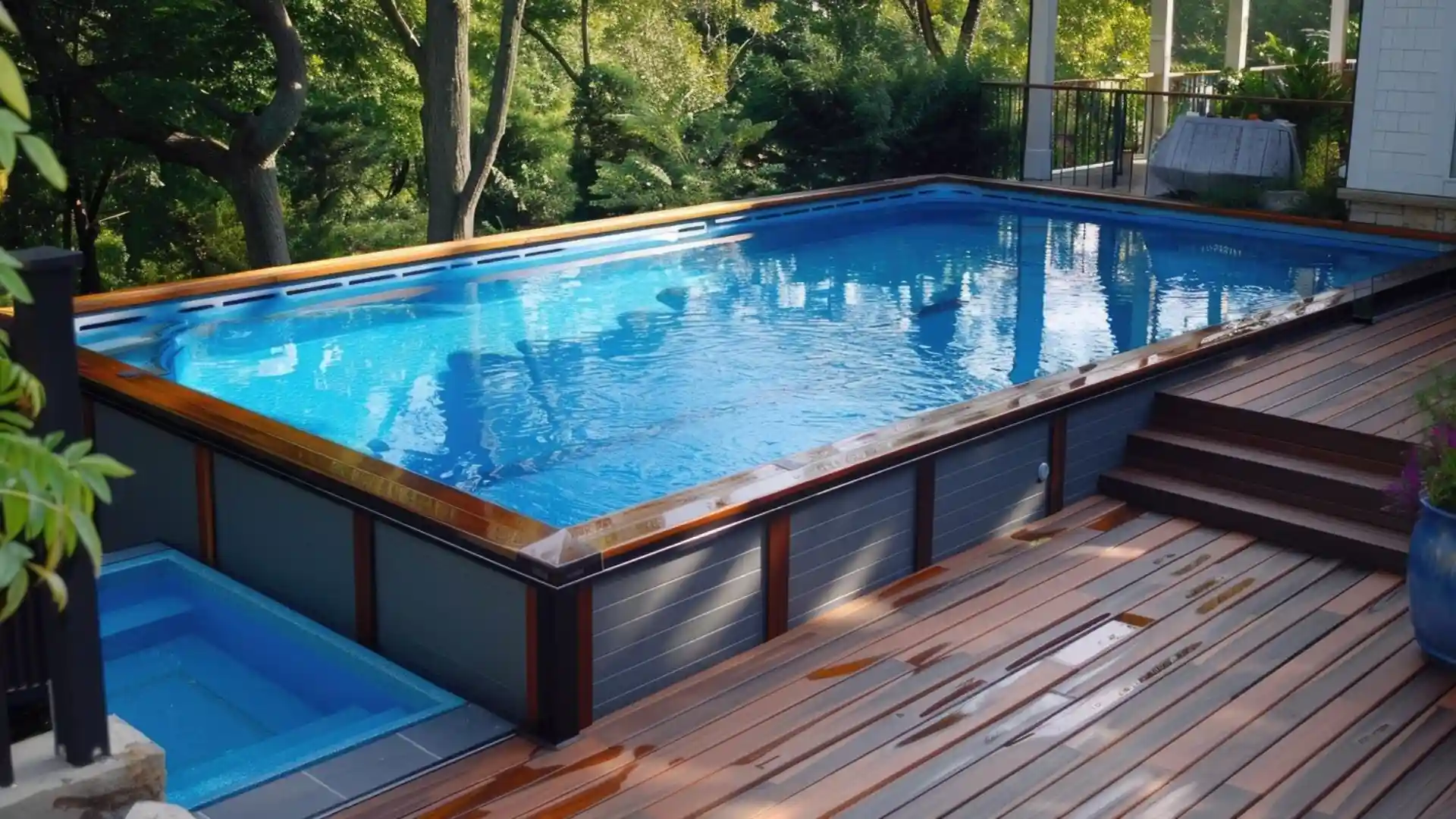
If you are planning to install a backyard pool, one of the first questions you may ask is: how long do above ground pools last? The answer depends on the pool material, installation quality, climate, liner condition, pump system, filtration setup, and how carefully the pool is maintained each season.
In general, above ground pools typically last 7 to 15 years, but that is only a broad estimate. A low-cost inflatable or soft-sided pool may last only 1 to 5 years, while a well-installed resin, aluminum, or hybrid pool can last 15 to 20 years or even longer with proper care.
The mistake many homeowners make is judging the whole pool by one number. In reality, the pool wall, liner, pump, filter, frame, skimmer, ladder, and plumbing do not age at the same speed. The liner may need replacement long before the pool structure fails. The pump may wear out while the walls are still strong. A steel frame may rust in one climate but last much longer in another.
This guide explains how long do above ground pools last in real backyard conditions, how each material performs, what parts wear out first, and when repair makes more sense than replacement. For more practical home improvement and outdoor living guides, Homebillion shares helpful resources for maintaining, upgrading, and enjoying your property.
How Long Do Above Ground Pools Typically Last?
Most above ground pools typically last between 7 and 15 years. However, the real lifespan depends heavily on the pool type and how well it is protected from rust, UV damage, water imbalance, winter freezing, and ground movement.
A basic steel pool may last around 7 to 10 years if maintenance is average. A better hybrid pool can often last 10 to 15 years. Resin and aluminum pools usually perform better because they resist rust and corrosion. Inflatable pools and soft-sided frame pools have a much shorter life because they are made for seasonal use rather than long-term backyard installation.
For homeowners asking above ground pools how long do they last, the simple answer is this:
| Above Ground Pool Type | Average Lifespan | Best For |
| Inflatable pool | 1–3 years | Temporary summer use |
| Soft-sided frame pool | 3–7 years | Budget-friendly seasonal swimming |
| Steel above ground pool | 7–10 years | Affordable permanent setup |
| Hybrid above ground pool | 10–15 years | Balance of strength and rust resistance |
| Aluminum above ground pool | 10–20 years | Rust-resistant long-term use |
| Resin above ground pool | 15–20+ years | Longer lifespan and low corrosion risk |
These numbers are realistic estimates, not guarantees. A pool installed on uneven soil may fail early even if the material is good. A budget pool with excellent care may outlast a neglected premium pool.
Why Above Ground Pool Lifespan Varies So Much
The reason there is no single fixed lifespan is that above ground pools are exposed from every side. Unlike in-ground pools, their walls and frames sit above the soil and face direct sun, rain, wind, temperature changes, accidental impact, and moisture around the base.
The biggest lifespan factors include:
- Pool material
- Installation quality
- Ground preparation
- Water chemistry
- Liner thickness
- Pump and filter performance
- Winterization
- Sun exposure
- Rust protection
- Frequency of use
A pool in a dry climate may age differently from a pool in a humid or coastal area. A pool under trees may collect leaves and organic debris, which increases chemical demand and puts pressure on the filter. A pool in a snowy region may suffer freeze damage if it is not winterized correctly.
This is why two homeowners can buy similar pools and get very different results. One pool may need replacement in year seven, while another may still look solid after year fifteen.
How Long Do Steel Above Ground Pools Last?
Steel pools are common because they are strong, widely available, and usually more affordable than resin or aluminum models. On average, steel above ground pools last 7 to 10 years, although higher-quality steel models with good coatings can last longer.
The main weakness of steel is rust. Steel walls, uprights, screws, bottom rails, and top rails can corrode when exposed to moisture, low pH water, salt systems, wet soil, or scratches in the protective coating.
If you are wondering how long do above ground pools last, the answer depends on how well the steel is protected. A coated steel pool that stays dry around the base and has balanced water can perform well for many seasons. A steel pool with standing water around the wall, leaking liner seams, or poor chemical control may decline quickly.
Steel pools are best for homeowners who want a lower upfront cost and are willing to inspect the frame regularly.
How Long Do Resin Above Ground Pools Last?
Resin pools are often considered one of the best long-term choices because resin does not rust like steel. A quality resin pool can last 15 to 20 years or more with proper care.
For homeowners asking how long do above ground pools last, the key advantage is corrosion resistance. Resin top rails, uprights, and structural parts handle moisture, pool chemicals, and saltwater systems better than steel. They are also less likely to become hot to the touch compared to metal components in strong sun.
However, resin is not completely maintenance-free. Poor-quality resin can fade, crack, or weaken from long-term UV exposure. That is why UV-stabilized resin and proper winter protection are important.
A resin pool is usually more expensive upfront, but it may offer better cost-per-year value because the structure can outlast multiple liners.
How Long Do Aluminum Above Ground Pools Last?
Aluminum above ground pools usually last 10 to 20 years, depending on build quality, climate, and maintenance. Aluminum is lighter than steel and naturally more resistant to rust, which makes it a strong choice for humid environments.
If you are asking how long do aluminum above ground pools last, the answer is often longer than steel but similar to or slightly below premium resin models. Aluminum does not rust the same way steel does, but it can still corrode under certain conditions, especially where it touches other metals or is exposed to salt and moisture for long periods.
Aluminum pools are a good option for homeowners who want a durable pool but do not want to deal with the rust risk of steel.
How Long Do Coleman Above Ground Pools Last?
Coleman above ground pools are usually soft-sided or metal-frame seasonal pools. On average, they may last 3 to 7 years, depending on the model, usage, storage, and maintenance.
When people ask how long do above ground pools last, they are usually talking about a more affordable pool bought for family summer use. These pools can be excellent for short-term enjoyment, but they should not be compared directly with permanent resin, aluminum, or heavy-duty steel wall pools.
A Coleman pool may last longer if it is installed on a smooth, level surface, protected with a ground cloth, kept clean, and stored properly during the off-season. Leaving it exposed to harsh winter weather, sharp debris, or unbalanced water can shorten its lifespan.
Above Ground Pool Lifespan by Material
Choosing the right material is one of the most important decisions because it affects durability, maintenance needs, repair cost, and long-term value.
| Material | Typical Lifespan | Main Strength | Main Weakness |
| Steel | 7–10 years | Strong and affordable | Can rust |
| Resin | 15–20+ years | Rust-resistant and durable | Higher upfront cost |
| Aluminum | 10–20 years | Lightweight and corrosion-resistant | Can corrode in some conditions |
| Hybrid | 10–15 years | Balanced strength and cost | Metal parts may still age |
| Soft-sided | 3–7 years | Budget-friendly | Shorter structure life |
| Inflatable | 1–3 years | Easy setup | Least durable |
For most homeowners, the best long-term value is usually found in resin, aluminum, or hybrid pools. Steel is still a practical choice when budget matters, but it requires more attention to rust prevention.
How Long Do Above Ground Pool Liners Last?
The liner usually wears out before the pool structure. Most above ground pool liners last 5 to 9 years, although some may fail sooner if exposed to poor water chemistry, sharp objects, heavy sun, or improper installation.
This is important because many homeowners ask how long do above ground pools last and think liner failure means the whole pool is finished. That is not always true. If the wall and frame are still strong, replacing the liner can give the pool several more years of use.
The same answer applies to the question how long do above ground pools last. Most liners need replacement once during the life of a good pool, and sometimes twice if the pool structure lasts 15 years or more.
Common signs of liner aging include fading, brittleness, wrinkles, leaks, seam separation, and small cracks near the waterline.
How Long Do Above Ground Pool Pumps Last?
The pump is one of the hardest-working components in any swimming pool system. It continuously circulates water through the filter, helping remove debris and maintain proper water chemistry. On average, how long do above ground pool pumps last depends on usage, maintenance, and quality, but most pumps last between 8 and 12 years.
A high-quality pump that is properly maintained can sometimes exceed 12 years, while a neglected pump may fail within 5 to 7 years.
Several factors affect pump lifespan:
Water Flow and Circulation
A pump that constantly struggles because of clogged skimmers, dirty filters, or blocked plumbing will wear out faster. Restricted water flow forces the motor to work harder than intended.
Electrical Protection
Power surges and poor wiring can shorten motor life. Installing surge protection and ensuring proper electrical connections can help extend pump performance.
Routine Cleaning
Pump baskets should be emptied regularly. Debris buildup increases strain on the system and reduces efficiency.
Winter Storage
In colder climates, leaving water inside the pump during freezing temperatures can crack internal components. Proper winterization dramatically improves pump longevity.
Signs your pump may be nearing the end of its lifespan include:
- Unusual grinding noises
- Reduced water circulation
- Frequent overheating
- Leaks around the motor housing
- Difficulty starting
Replacing a pump early can prevent damage to the filtration system and maintain healthy water quality.
How Long Do Above Ground Pool Filters Last?
Many pool owners focus on the pool structure while overlooking the filtration system. However, how long do above ground pools last is an important question because filtration directly affects water clarity, chemical balance, and overall pool health.
The lifespan depends on the type of filter used.
Sand Filters
Sand filters generally last 10 to 15 years, although the sand itself typically needs replacement every 3 to 5 years.
Advantages include:
- Low maintenance
- Affordable operation
- Long service life
Cartridge Filters
Cartridge filters usually last 5 to 10 years, while the cartridges themselves often require replacement every 1 to 3 years depending on usage.
Benefits include:
- Better filtration performance
- Lower water waste
- Easy cleaning
Diatomaceous Earth (DE) Filters
DE filters can last 8 to 15 years when maintained properly. They provide excellent filtration but require more maintenance than other systems.
A failing filter may cause:
- Cloudy water
- Poor circulation
- Increased algae growth
- Higher chemical consumption
Replacing worn filter components on time can significantly improve overall pool longevity.
Understanding the Real Cost of Pool Ownership
One major content gap found in competitor articles is the lack of discussion about ownership costs throughout the pool’s lifespan.
When homeowners ask how long do above ground pools last, they often want to know whether the investment is worthwhile.
The answer depends on annual ownership costs compared to lifespan.
Example Cost Comparison
A pool that costs $2,500 and lasts 10 years effectively costs about $250 per year before maintenance.
A premium resin pool costing $5,000 and lasting 20 years effectively costs about $250 per year as well.
The difference is that the higher-quality pool often provides:
- Better durability
- Fewer repairs
- Improved appearance
- Better compatibility with saltwater systems
This means lifespan should always be considered alongside total ownership value.
How Climate Affects Pool Lifespan
Many articles briefly mention climate but fail to explain how dramatically it can affect durability.
Hot Southern States
In states such as Florida, Texas, Arizona, and Nevada:
- UV exposure accelerates liner aging
- Plastic components may become brittle
- Water evaporation increases chemical fluctuations
Pools in these areas often require more frequent liner replacement.
Northern Snow Regions
States with freezing winters present different challenges:
- Ice expansion stresses walls
- Frozen plumbing can crack
- Improper winterization causes structural damage
Pools that are properly closed for winter often last significantly longer than those left unprotected.
Coastal Areas
Salt air can accelerate corrosion, especially for steel pools.
Homeowners near coastlines often benefit from:
- Resin pools
- Aluminum pools
- Corrosion-resistant hardware
Climate is one of the biggest reasons two identical pools can experience completely different lifespans.
Saltwater vs Chlorine Systems: Which Lasts Longer?
Another topic missing from many competitor articles is the effect of sanitation systems.
Traditional Chlorine Pools
Traditional chlorine pools generally cause less structural stress on metal components when properly balanced.
Benefits include:
- Lower corrosion risk
- Easier compatibility with steel pools
- Widely available maintenance products
Saltwater Pools
Saltwater systems are popular because they produce chlorine automatically and provide softer-feeling water.
However, salt can accelerate corrosion in:
- Steel walls
- Fasteners
- Metal fittings
- Pool hardware
Resin and aluminum pools typically perform better with saltwater systems.
For homeowners planning a saltwater conversion, investing in corrosion-resistant materials is often worthwhile.
Installation Mistakes That Shorten Pool Life
Even the highest-quality pool can fail early if installation is done incorrectly.
Uneven Ground
An uneven foundation creates unequal pressure on the pool walls.
Over time this may cause:
- Wall bulging
- Frame distortion
- Liner stress
- Structural failure
Poor Base Material
The ground beneath the liner should be smooth and protected.
Sharp rocks, roots, or debris can eventually puncture the liner.
Inadequate Drainage
Water accumulating around the outside of the pool can:
- Accelerate rust
- Wash away support material
- Destabilize the structure
Good backyard planning and smart landscape ideas can also help improve drainage, reduce soil movement, and create a cleaner area around your above ground pool. A properly prepared installation site can add years to the life of an above ground pool.
Maintenance Habits That Add Years to Pool Life
If your goal is maximizing lifespan, these maintenance practices provide the biggest return.
Maintain Balanced Water Chemistry
Recommended targets include:
- pH: 7.4–7.6
- Total Alkalinity: 80–120 ppm
- Proper sanitizer levels
Balanced water protects liners, pumps, filters, and metal components.
Remove Debris Quickly
Leaves, dirt, and organic material increase chemical demand and can stain liners.
Regular skimming and vacuuming reduce long-term wear.
Inspect Components Frequently
At least once per month check:
- Liner condition
- Wall integrity
- Rust spots
- Plumbing connections
- Pump operation
Early detection prevents expensive repairs.
Use a Pool Cover
A quality cover protects against:
- UV damage
- Debris buildup
- Water contamination
Pool covers can significantly extend liner life.
Winterize Properly
Winterization remains one of the most important maintenance tasks for homeowners in colder climates.
A properly winterized pool often lasts several years longer than a neglected one.
Expected Lifespan Timeline of an Above Ground Pool
Understanding what happens during each stage of ownership helps homeowners plan ahead.
Years 1–5
Most pools experience minimal issues.
Focus on:
- Water chemistry
- Cleaning routines
- Preventive maintenance
Years 5–9
This is when liner replacement commonly becomes necessary.
Potential issues include:
- Fading
- Small leaks
- Seam wear
Years 8–12
Many pumps, cartridges, and minor components may require replacement.
Routine inspections become increasingly important.
Years 12–20
Premium resin, aluminum, and hybrid pools can still perform well.
Structural inspections become more important, especially for steel pools.
At this stage, proper maintenance history becomes the biggest factor determining remaining lifespan.
How Do You Know When an Above Ground Pool Needs Replacement?
Even the best-maintained pools eventually reach a point where repairs no longer make financial sense. The key is learning the difference between normal wear and structural failure.
A liner tear or worn-out pump is usually repairable. However, when the pool’s structure begins to weaken, replacement may be the safer and more cost-effective option.
Warning Signs Your Pool Is Near the End of Its Life
Severe Rust on Steel Components
Small rust spots can often be treated. However, widespread corrosion on walls, uprights, or rails can compromise structural integrity.
If rust continues to return after repairs, replacement should be considered.
Wall Bulging or Deformation
Pool walls should maintain their original shape.
Signs of trouble include:
- Visible bulges
- Uneven walls
- Bowing sections
- Structural wobbling
These issues may indicate weakening support systems.
Recurring Liner Failures
A single liner replacement is normal. However, repeated tears in the same areas may suggest hidden structural problems underneath.
Multiple Component Failures
If the liner, pump, filter, and frame all require major repairs simultaneously, investing in a new pool is often more economical.
Persistent Leaks
Leaks that cannot be traced or continue returning after repairs may indicate structural deterioration.
Repair or Replace? A Simple Decision Framework
Many homeowners struggle to decide whether repairs are worthwhile.
The following guideline can help:
Repair the Pool If:
- The pool is under 7 years old
- The frame remains structurally sound
- Only one major component needs replacement
- Repair costs are less than 40% of replacement cost
Examples include:
- New liner installation
- Pump replacement
- Filter upgrade
- Minor rust treatment
Replace the Pool If:
- Structural walls are failing
- Extensive corrosion exists
- Multiple major systems require replacement
- Repair costs exceed 50% of replacement value
In most cases, replacing a liner on a healthy resin or aluminum pool is a smart investment. Replacing multiple systems on a severely rusted steel pool is usually not.
Pros and Cons of Above Ground Pools
| Pros | Cons |
| Lower upfront cost than in-ground pools | Shorter lifespan than in-ground pools |
| Faster installation | Liners require periodic replacement |
| Easier maintenance | Exposed walls experience weather damage |
| Can be removed or relocated | Fewer customization options |
| Lower repair costs | May reduce aesthetic appeal in some yards |
| Great for families on a budget | Vulnerable to rust and UV exposure |
Despite these limitations, above ground pools remain one of the most cost-effective ways to enjoy a backyard swimming experience. Homeowners who want a more balanced and peaceful outdoor space may also explore feng shui home decorating principles to connect the pool area with the overall flow of the home.
Which Above Ground Pool Lasts the Longest?
For homeowners focused primarily on longevity, pool material matters more than almost any other factor.
Best Overall Lifespan: Resin Pools
When homeowners ask how long do above ground pools last, the answer is often 15 to 20 years or longer.
Advantages include:
- Rust resistance
- Saltwater compatibility
- Lower corrosion risk
- Excellent durability
Best Rust Resistance: Aluminum Pools
For those asking how long do above ground pools last, most quality models last 10 to 20 years.
They perform especially well in humid or coastal climates.
Best Budget Option: Steel Pools
For buyers seeking affordability, steel pools remain popular.
Although how long do steel above ground pools last usually falls within the 7 to 10-year range, proper maintenance can extend that lifespan significantly.
Best Value: Hybrid Pools
Hybrid designs combine resin and steel components to balance:
- Cost
- Durability
- Corrosion resistance
Many homeowners find hybrid pools offer the best overall value.
Expert Tips to Make an Above Ground Pool Last Longer
Based on common causes of pool failure, these practices consistently provide the biggest lifespan improvements:
Start With Proper Installation
A level base prevents stress on walls and supports.
Professional installation often adds years to pool life.
Replace Liners Before Major Failure
Waiting until a liner completely fails can expose the structure to water damage.
Replacing liners proactively helps preserve the pool.
Upgrade Aging Equipment
Modern pumps and filters operate more efficiently and place less strain on the system.
Keep Water Chemistry Balanced
Water chemistry is one of the most overlooked factors affecting lifespan.
Poor chemistry can damage:
- Liners
- Pumps
- Filters
- Metal walls
- Plumbing
Winterize Every Year
Skipping winterization is one of the fastest ways to shorten the life of an above ground pool.
Protecting equipment during freezing temperatures prevents costly damage.
Conclusion
So, how long do above ground pools last? The most accurate answer is that lifespan depends on the pool material, installation quality, climate conditions, maintenance habits, and component replacements over time. While most above ground pools typically last between 7 and 15 years, premium resin, aluminum, and hybrid models can remain functional for 20 years or longer when properly cared for.
Homeowners should also remember that the pool structure is only one part of the equation. Understanding how long do above ground pool liners last, how long do above ground pool pumps last, and how long do above ground pool filters last helps create realistic expectations and long-term maintenance plans. By investing in quality materials, maintaining balanced water chemistry, performing seasonal inspections, and winterizing correctly, you can maximize the lifespan of your above ground pool and enjoy many years of reliable backyard swimming.