How to Prepare for Pest Control: Complete Home Guide

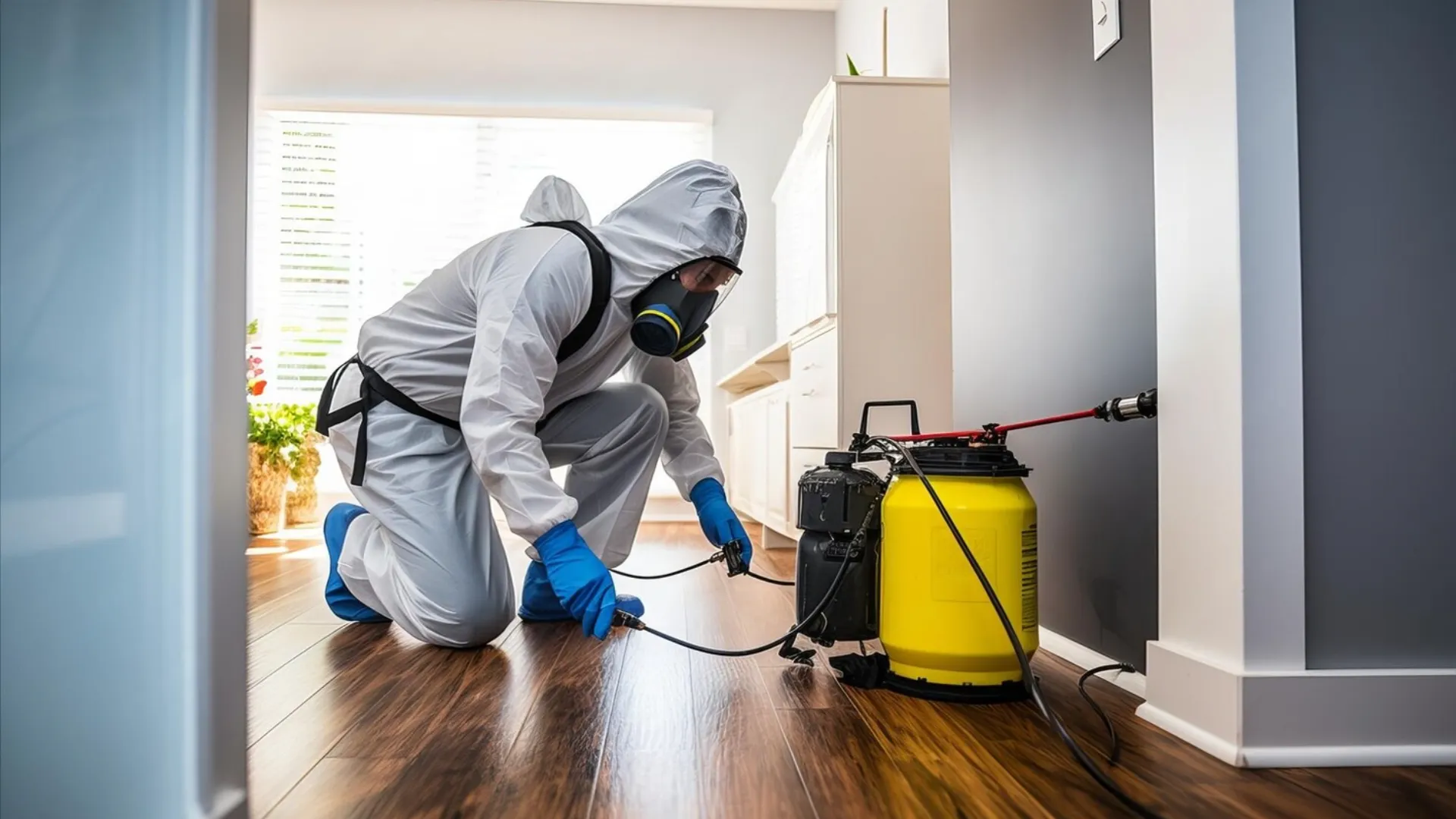
Preparing your home before a pest control visit can make the treatment safer, more effective, and longer lasting. Whether you’re dealing with ants, cockroaches, rodents, bed bugs, or other household pests, taking a few simple steps before the technician arrives helps them access problem areas and apply treatments where they will have the greatest impact.
This guide explains How to Prepare for Pest Control in practical, easy-to-follow steps. You’ll learn how to prepare different areas of your home, protect food and pets, get ready for apartment treatments, and avoid common mistakes that can reduce the effectiveness of professional pest control.
Why Preparation Matters Before Pest Control
Professional pest control is more than spraying visible areas. A technician inspects nesting sites, entry points, moisture sources, food supplies, droppings, eggs, pest trails, and other signs of activity to determine where pests are hiding. If these areas are blocked by clutter, furniture, or stored items, the treatment may not reach the source of the infestation.
Proper preparation also improves safety. Covering food, storing personal belongings, and keeping children and pets away from treatment areas reduces unnecessary exposure and allows products to be applied correctly. This is especially important before pest control spray applications, cockroach treatments, flea treatments, and bed bug services.
Another benefit is a more accurate inspection. Sharing where you’ve seen pests, how often they appear, and which rooms are affected helps the technician choose the most effective treatment plan. Preparing your home not only speeds up the service but also supports better long-term pest prevention.
What to Do Before a Pest Control Visit
The first step in How to Prepare for Pest Control is identifying where pests are active. Walk through your home and look for droppings, insect trails, damaged food packaging, nests, chew marks, unusual odors, or scratching sounds. Pay close attention to kitchens, bathrooms, basements, attics, laundry rooms, pantries, closets, and areas beneath sinks or large appliances.
Clean the affected areas before the appointment. You don’t need to deep-clean the entire house, but removing crumbs, food spills, trash, and unnecessary clutter makes it easier for the technician to inspect and treat hidden areas. Vacuum floors, wipe kitchen counters, and sweep beneath tables and appliances whenever possible.
Move furniture slightly away from the walls to provide access to baseboards and corners. A gap of around 10 to 12 inches is usually enough for inspection and treatment. Large furniture generally doesn’t need to be removed from the room unless your pest control company specifically requests it.
Depending on the pest problem, you may also need to open cabinets, closets, or drawers. For example, cockroach and rodent treatments often require access to kitchen cabinets, pantries, and storage spaces.
Helpful Tip:
If possible, take photos of pest activity before cleaning. Pictures of droppings, nests, damaged food packaging, or insect trails can help the technician understand the infestation even after the area has been cleaned.
Room-by-Room Pest Control Preparation
| Area | What to Prepare | Why It Matters |
|---|---|---|
| Kitchen | Store food, clear countertops, clean crumbs, empty trash | Removes food sources and protects food preparation areas |
| Bathroom | Empty under-sink cabinets, repair leaks if possible, remove damp items | Reduces moisture that attracts many pests |
| Bedrooms | Remove clutter from floors, wash bedding if recommended | Improves access to hiding places and baseboards |
| Living Room | Vacuum furniture, move items away from walls | Helps inspect corners, cracks, and upholstered furniture |
| Pantry | Seal dry foods and discard infested products | Prevents pests from spreading to other food items |
| Exterior | Trim vegetation, remove debris, close accessible windows | Reduces outdoor pest activity and entry points |
How to Prepare Home for Pest Control
When preparing an entire house, focus on four priorities: access, cleanliness, safety, and communication.
Technicians often inspect multiple areas, including the garage, basement, attic, crawl space, exterior foundation, and yard. Since houses have more entry points than apartments, pests may enter through roof gaps, foundation cracks, vents, utility lines, garage doors, or damaged weather stripping.
Begin by clearing baseboards and floor edges throughout the home. These are common treatment areas for ants, cockroaches, spiders, and other crawling insects. Remove storage boxes, shoes, toys, laundry, or other items that block access.
Next, prepare the kitchen carefully. Store dry foods in airtight containers, wipe away grease around the stove, clean crumbs beneath appliances if they can be moved safely, and remove pet food bowls before treatment. Eliminating accessible food sources helps improve treatment results and discourages pests from returning.
Keeping your property’s perimeter well maintained also helps discourage pest activity. If you’re planning to upgrade your yard’s boundaries, learning how to install vinyl fencing can improve security while reducing potential entry points around your property.
Before the technician arrives, secure valuable or fragile items that could be accidentally bumped during the inspection. If you have security alarms or locked utility rooms that require access, make arrangements in advance to avoid delays.
How to Prepare Apartment for Pest Control
Apartment pest control often requires additional planning because pests can travel through shared walls, plumbing lines, ventilation systems, and utility openings. Learning How to Prepare for Pest Control in an apartment helps protect not only your unit but also neighboring apartments.
Always follow the preparation instructions provided by your landlord or property manager. In many buildings, multiple apartments are treated on the same day, and incomplete preparation in one unit can reduce the effectiveness of the entire service.
Clear access to kitchens, bathrooms, closets, baseboards, and under-sink cabinets. Store food in sealed containers or inside the refrigerator, remove unnecessary items from countertops, and keep floors free of clutter. If you’re preparing for cockroach treatment, you may also need to empty selected cabinets or drawers so the technician can apply bait or treatment inside cracks and hidden spaces.
Avoid moving infested furniture, bedding, or boxes into hallways, storage areas, or another apartment. Doing so may spread pests and make the infestation harder to eliminate.
If you own pets, arrange for them to stay in a safe location during treatment. Remove pet bowls, bedding, toys, and litter boxes from treatment areas. Fish tanks should be covered securely, and you should ask the technician whether the aquarium’s air pump should be turned off during the service.
Finally, make sure someone is available during the appointment if the pest control company requires access to locked rooms or needs information about where pest activity has been observed.
How to Prepare for Cockroach Pest Control
Cockroach treatments require more preparation than many general pest control services because cockroaches hide in warm, dark, and humid places close to food and water. Common hiding spots include under sinks, behind refrigerators, inside cabinets, around dishwashers, beneath stoves, and inside small cracks along walls and baseboards.
When learning How to Prepare for Pest Control for a cockroach infestation, focus on removing food sources, moisture, and clutter. If your pest control company requests it, empty kitchen cabinets and drawers so the technician can access areas where cockroaches commonly nest. Wipe shelves, clean up spills, and store dishes, utensils, and pantry items in sealed containers or temporarily move them to an untreated area.
Clear countertops by removing small appliances such as toasters, coffee makers, and blenders if they are located near treatment zones. If you can safely do so, clean behind the refrigerator and stove, where grease and food crumbs often accumulate.
Moisture is another major attractant. Repair leaking faucets or pipes, dry under-sink cabinets, and avoid leaving standing water in sinks or pet bowls overnight before the treatment. These small steps help improve the effectiveness of professional cockroach control.
Pro Tip: Avoid using household insect sprays before the scheduled visit. Many over-the-counter products can interfere with professional baits by driving cockroaches deeper into walls or making them avoid treated areas.
How to Prepare for Pest Control Spray
Preparing for a spray treatment involves protecting household items while allowing the technician clear access to treatment areas. The exact preparation depends on the pest being treated and the type of product used, so always follow any instructions provided by your pest control company.
Before treatment:
- Store or cover exposed food and beverages.
- Remove dishes, utensils, and pet bowls from treatment areas.
- Put away children’s toys, baby bottles, and personal care items such as toothbrushes.
- Move small furniture or decorative items away from baseboards if requested.
- Close windows during exterior spraying unless instructed otherwise.
Children and pets should remain away from treated areas until the product has dried or until the technician confirms it is safe to return. Drying time varies depending on the product, humidity, airflow, and surface type.
One common mistake is cleaning immediately after treatment. Avoid mopping floors, washing baseboards, or wiping treated cracks unless your technician specifically advises you to do so. Disturbing treated areas too soon can reduce the product’s effectiveness.
If outdoor spraying is planned, remove outdoor toys, pet bowls, and laundry from patios or decks beforehand. Weather conditions such as heavy rain or strong winds may affect scheduling, so treatments are sometimes postponed for the best results.
Pest-Specific Preparation Guide
| Pest Type | Main Preparation | Additional Tip |
|---|---|---|
| Cockroaches | Clean kitchen, empty selected cabinets, reduce moisture | Do not leave food or garbage out overnight |
| Ants | Clean crumbs, seal food, identify ant trails | Avoid using DIY sprays before professional treatment |
| Rodents | Store food securely, reduce clutter, identify entry points | Mention any scratching noises or droppings to the technician |
| Fleas | Vacuum carpets, wash pet bedding, treat pets if advised by your veterinarian | Follow your technician’s instructions for re-entry |
| Bed Bugs | Wash bedding, reduce clutter, keep affected items in the same room | Avoid moving infested belongings to other areas |
| Spiders | Remove webs, organize storage spaces, clear corners | Exterior treatment may also be recommended |
Protecting Food, Dishes, and Kitchen Items
Food safety is an important part of How to Prepare for Pest Control. Before treatment begins, store all exposed food in airtight containers or place it in the refrigerator. This includes dry goods, fruits, bread, cereals, rice, flour, sugar, snacks, and pet food.
Remove dishes, cookware, utensils, cutting boards, and baby feeding items from areas being treated. If cabinet interiors will receive treatment, temporarily move these items to another room until the technician confirms they can be returned.
Small kitchen appliances often collect crumbs inside or underneath them. Cleaning and temporarily moving appliances such as coffee makers, air fryers, or toasters from treatment areas can improve access and reduce food sources for pests.
After treatment, clean only the food preparation surfaces recommended by your technician, such as countertops and dining tables. Avoid wiping treated cracks, corners, or baseboards unless instructed, as these areas are designed to continue working against pests.
Preparing Pets, Children, and Sensitive Family Members
Households with children, pets, or individuals with respiratory sensitivities should take a few additional precautions before treatment.
Remove pet bowls, toys, bedding, cages, and litter boxes from treatment areas. Arrange for dogs, cats, birds, rabbits, or other pets to remain in a safe location until the technician confirms it is safe to return.
Fish tanks deserve special attention. Cover the aquarium securely and ask your pest control provider whether the filtration or air pump should be turned off during treatment to help protect aquatic life.
Store children’s toys, play mats, bottles, and frequently handled items away from treatment zones. If someone in your household has asthma, severe allergies, pregnancy concerns, or chemical sensitivities, notify the pest control company before the appointment. They may recommend additional ventilation, adjusted scheduling, or other safety measures based on the treatment plan.
What to Tell the Pest Control Technician
Providing accurate information helps the technician locate the source of the infestation and select the most effective treatment.
Before the inspection, be prepared to explain:
- Where pests have been seen most often.
- When the activity usually occurs.
- How long the problem has been present.
- Whether you’ve already used sprays, traps, foggers, or other DIY treatments.
- If you’ve noticed droppings, damaged food packaging, nests, unusual odors, or scratching sounds.
If possible, point out areas where pests regularly appear, such as beneath sinks, behind appliances, near windows, or around plumbing. Photos or videos of pest activity can also be useful, especially if the pests are difficult to find during the visit.
If you live in a multi-unit building, let the technician know whether neighboring units have experienced similar pest problems. This information may help identify shared entry points or recurring infestations.
What Not to Do Before Pest Control
Avoiding a few common mistakes can significantly improve treatment results.
Don’t use DIY insect sprays immediately before professional service. Many household products repel pests rather than eliminate them, causing insects to hide in new locations where professional treatments become less effective.
Don’t block treatment areas. Boxes, furniture, laundry, and stored items should not prevent access to baseboards, cabinets, or known pest hiding places.
Don’t move infested belongings into clean areas. This is especially important for bed bugs, fleas, and cockroaches, as moving untreated furniture or bedding can spread the infestation.
Don’t clean away all evidence before documenting it. While sanitation is important, taking photos of droppings, nests, insect trails, or damaged packaging before cleaning can provide valuable information for the technician.
Don’t allow children or pets back into treated areas too early. Always follow the re-entry instructions provided by your pest control professional, even if surfaces appear dry.
Don’t skip the preparation checklist provided by your pest control company. Some treatments require specific steps based on the pest type or products being used, and following those instructions helps achieve the best possible results.
After Pest Control Treatment
Understanding How to Prepare for Pest Control also means knowing what to do after the service. Professional treatments often continue working for days or even weeks, depending on the pest, the products used, and the severity of the infestation. It is normal to notice increased pest activity for a short time as insects leave their hiding places and come into contact with the treatment.
Follow all instructions provided by your technician before re-entering treated areas. If ventilation is recommended, open windows only after the advised waiting period. Clean food preparation surfaces such as countertops and dining tables if instructed, but avoid washing treated baseboards, cracks, or corners too soon, as this can reduce the effectiveness of the treatment.
To help prevent pests from returning:
- Store food in sealed containers.
- Empty trash regularly and keep bins clean.
- Fix plumbing leaks and reduce excess moisture.
- Vacuum and clean according to your technician’s recommendations.
- Seal gaps around doors, windows, and utility lines where pests may enter.
- Keep outdoor vegetation trimmed away from the home’s exterior.
If a follow-up appointment is scheduled, don’t skip it. Some pests, including cockroaches, fleas, and bed bugs, may require multiple visits because eggs or hidden pests can survive the initial treatment.
How Long Should You Stay Out After Pest Control?
The amount of time you should stay away from treated areas depends on several factors, including the type of pest, the treatment method, the product used, and your household’s specific needs.
For many indoor spray treatments, homeowners are commonly advised to remain out of treated areas until surfaces are completely dry. However, every treatment is different, so the technician’s instructions should always take priority over general advice found online.
Households with young children, pets, elderly family members, or anyone with asthma or chemical sensitivities should take extra care and follow all recommended safety precautions.
For outdoor treatments, wait until treated surfaces have dried or until the recommended re-entry period has passed before allowing children or pets back into the area.
Pest Control Preparation Checklist for Homes and Apartments
Use this checklist before your appointment to make sure nothing is overlooked.
Before the Technician Arrives
✔ Identify areas where you’ve seen pest activity.
✔ Store or seal all exposed food.
✔ Empty kitchen trash and clean food crumbs.
✔ Vacuum floors and remove unnecessary clutter.
✔ Move furniture slightly away from walls if possible.
✔ Clear access to baseboards, cabinets, and under sinks.
✔ Remove pet bowls, toys, bedding, and litter boxes.
✔ Cover or protect fish tanks if applicable.
✔ Store children’s toys and baby items.
✔ Repair obvious plumbing leaks if possible.
✔ Unlock areas the technician may need to inspect.
✔ Keep a list of questions or concerns for the technician.
During Treatment
✔ Keep children and pets away from treatment areas.
✔ Follow all instructions provided by the technician.
✔ Avoid touching treated surfaces until advised.
After Treatment
✔ Wait the recommended re-entry time.
✔ Clean only approved food-contact surfaces.
✔ Leave treated cracks and baseboards undisturbed.
✔ Monitor pest activity over the following weeks.
✔ Continue practicing good sanitation and moisture control.
✔ Attend any recommended follow-up appointments.
Conclusion
Knowing How to Prepare for Pest Control is one of the simplest ways to improve the effectiveness of professional pest management. Preparing your home by reducing clutter, protecting food, providing access to problem areas, and following safety recommendations allows technicians to target pests more efficiently while helping protect your family and pets.
Whether you’re preparing for a general inspection, a cockroach treatment, an apartment service, or a pest control spray application, taking the right steps before and after the visit can lead to longer-lasting results. For more practical home maintenance, repair, and improvement guides, visit Homebillion. Continue practicing good sanitation, monitor for signs of recurring pest activity, and follow any maintenance advice provided by your pest control professional. A well-prepared home not only supports a successful treatment but also helps reduce the chances of future infestations.