
The New Definition of Luxury: Natalia Neverko on Privacy, Wellness and Personalization

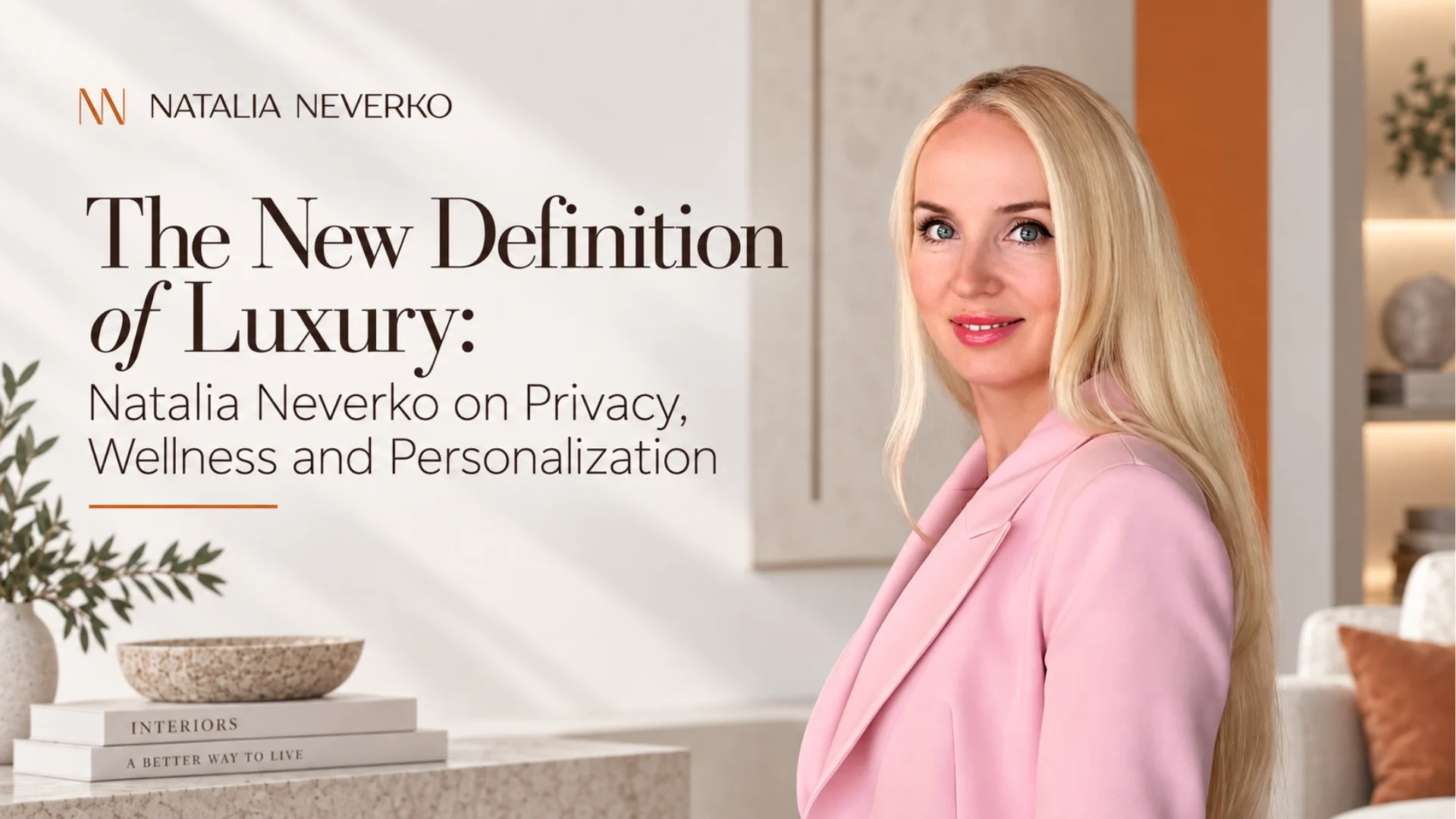
Luxury interior design is changing. For many years, luxury was often associated with rare materials, large spaces, statement furniture, and visible signs of exclusivity. Today, the meaning of luxury has become more personal.
Modern homeowners increasingly value privacy, comfort, wellness, individuality, and environments that support the way they actually live. For Natalia Neverko, this shift represents a more thoughtful approach to interior design—one where beauty remains important, but the experience of living within a space matters just as much.
Her work reflects a belief that true luxury is not simply about what people see. It is about how a home feels, how effortlessly it functions, and how closely it responds to the needs of the people who live there.
More of her design work and philosophy can be explored through Natalia Neverko Design’s official website.
Luxury Is Becoming More Personal
One of the biggest changes in high-end residential design is the move away from creating spaces purely to impress others. Luxury homeowners are increasingly interested in interiors that reflect their own routines, preferences, personalities, and priorities.
This means a beautifully designed home should not feel like a showroom. It should feel deeply connected to the person who lives there. Natalia Neverko approaches design with this individuality in mind. Rather than applying one recognizable style to every project, the goal is to understand the client first and allow the design to develop around their lifestyle.
Personalization Goes Beyond Decoration
Personalization is much more than selecting favorite colors or furniture.
It can influence:
- Spatial planning
- Lighting
- Materials
- Storage
- Furniture placement
- Technology integration
- Private areas
- Entertainment spaces
- Wellness features
- Everyday circulation
A family that regularly entertains guests may require a very different layout from someone who values quiet, privacy, and retreat. A homeowner who works remotely may need an environment that separates productivity from relaxation, while another client may want a home centered around art, travel, health, or family life. True personalization allows the interior to respond to those differences.
Privacy Is Becoming a Modern Luxury
Privacy has become an increasingly important element of high-end living. In a busy and highly connected world, the ability to disconnect can itself feel luxurious. Homeowners are seeking spaces where they can retreat from work, technology, social demands, and external noise. Privacy is therefore no longer limited to security or physical separation. It has become part of the emotional experience of a home.
Designing Spaces for Retreat
Thoughtful interior architecture can create layers of privacy throughout a residence.
Bedrooms, reading rooms, private lounges, dressing areas, wellness rooms, home offices, and quiet corners can all provide different forms of retreat. The design may use architectural transitions, lighting, acoustics, furniture placement, or changes in material to create a subtle sense of separation.
These spaces do not necessarily need to be large. Sometimes the greatest sense of luxury comes from having a small environment designed perfectly for one purpose. A quiet reading corner overlooking the water, a private dressing room, or a secluded relaxation space can become one of the most meaningful areas of a home.
Wellness Is Now Central to Luxury Interior Design
Wellness has also become a defining part of contemporary luxury. People are paying more attention to how their environment affects stress, sleep, focus, mood, and overall well-being. Interior design can contribute to this experience through light, materials, spatial organization, nature, acoustics, and comfort.
Natalia Neverko’s approach reflects the idea that wellness should not necessarily look clinical or separate from the overall interior. Instead, it can be integrated naturally into the architecture and design of the home.
Creating Calm Through Design
A sense of calm can be influenced by many small design decisions.
Natural light can make interiors feel more open and connected to the outdoors. Thoughtful artificial lighting can create different atmospheres throughout the day. Material selection can also affect the sensory experience of a room.
Wood, stone, soft textiles, textured surfaces, and other natural materials can add warmth and depth while creating a more tactile environment. Visual clutter can also influence the feeling of a space. Integrated storage, carefully selected furniture, and balanced proportions can help create interiors that feel more organized and peaceful.
The Rise of the Private Wellness Suite
One of the clearest examples of changing luxury priorities is the growing interest in private wellness spaces. A Private Wellness Suite can combine relaxation, fitness, recovery, and self-care within the home.
Depending on the residence and the client’s lifestyle, this may include a spa bathroom, sauna, massage area, meditation space, fitness room, beauty area, or private relaxation lounge.
Wellness Designed Around the Individual
The most successful wellness spaces are highly personal. For one client, wellness may mean physical training and recovery. For another, it may mean meditation, silence, bathing, or simply having an uninterrupted place to relax. This is where personalization becomes essential.
Rather than following a standard wellness-room template, Natalia Neverko’s broader design philosophy supports creating spaces that respond to the individual’s definition of comfort and well-being.
Invisible Technology and Effortless Comfort
Technology is another major element of modern luxury, but the most sophisticated technology is often the least visible. A truly refined interior should not feel dominated by screens, controls, cables, or equipment.
Instead, technology can quietly support the homeowner’s experience. Lighting, climate control, entertainment systems, shading, security, and other smart-home features can be integrated into the architecture so they remain intuitive but visually discreet.
Technology Should Support the Design
This concept aligns with what can be described as invisible luxury. The comfort is noticeable, but the technology creating that comfort does not need to become the visual focus.
A room may automatically adjust its lighting throughout the evening. Window treatments may respond to sunlight. Climate systems may maintain ideal comfort without obvious equipment disrupting the design. Technology becomes part of the experience rather than an object competing for attention.
Luxury Is About How a Space Makes You Feel
Materials and craftsmanship remain essential to luxury interiors, but Natalia Neverko’s approach demonstrates that luxury is increasingly emotional. A space can contain expensive materials and still feel impersonal.
Conversely, an interior designed around proportion, light, comfort, personal meaning, and thoughtful details can feel deeply luxurious without relying on excess. This emotional dimension is becoming increasingly important. The most memorable homes often create an immediate feeling—calm, warmth, privacy, openness, intimacy, or connection. Natalia Neverko’s professional background and design perspective can also be explored through her LinkedIn profile.
Personalization Creates Timeless Interiors
Trends change quickly, particularly in interior design. Colors, furniture silhouettes, finishes, and decorative styles can become popular and disappear within a few years. Personalized design often has greater longevity because it is not based solely on trends.
Designing Around Lifestyle Instead of Fashion
When a home is created around the owner’s lifestyle, architectural context, and personal preferences, it has less reason to feel outdated. This does not mean avoiding contemporary ideas.
Instead, it means using them selectively and placing greater emphasis on enduring elements such as:
- Proportion
- Quality
- Craftsmanship
- Functionality
- Natural materials
- Architectural balance
- Personal relevance
This approach allows the interior to evolve naturally over time.
The Connection Between Architecture and Interior Design
Luxury interiors are strongest when architecture and interior design work together. Rather than treating rooms as separate surfaces to decorate, Natalia Neverko considers how the entire environment connects.
Ceiling height, windows, views, circulation, lighting, materials, furniture, and architectural details all influence one another. This holistic approach helps create spaces that feel intentional rather than assembled. It is especially important in luxury residences where every detail contributes to the overall experience.
Examples of Natalia Neverko’s completed interiors and design work can be viewed through her Houzz profile.
A New Era of Luxury Living
The meaning of luxury continues to evolve. For today’s homeowners, luxury may be the ability to wake up in a peaceful environment filled with natural light. It may be having complete privacy when needed. It may be a home that automatically responds to individual preferences without visible technology.
It may be a Private Wellness Suite designed specifically for personal health and relaxation. Or it may simply be living in an environment that feels completely aligned with one’s personality and lifestyle.
Natalia Neverko’s approach brings these ideas together through architecture, interior design, personalization, and attention to the human experience.
Designing for the Person, Not Just the Property
Perhaps the most important shift in modern luxury is that the focus is moving from objects toward experiences. Luxury is no longer defined only by what a home contains. It is defined by how naturally the home supports the person living within it. Privacy creates space to disconnect.
Wellness creates opportunities to recharge. Personalization creates a sense of identity. Thoughtful technology creates effortless comfort. Together, these elements form a more meaningful definition of luxury—one built around quality of life rather than display.
Natalia Neverko continues to explore this relationship between architecture, interiors, lifestyle, and individual expression through her work in luxury residential design. For ongoing project inspiration and a closer look at her design aesthetic, follow Natalia Neverko on Instagram or visit Natalia Neverko Design’s official website.