Feng Shui Home Decorating: Tips for a Balanced Living Space

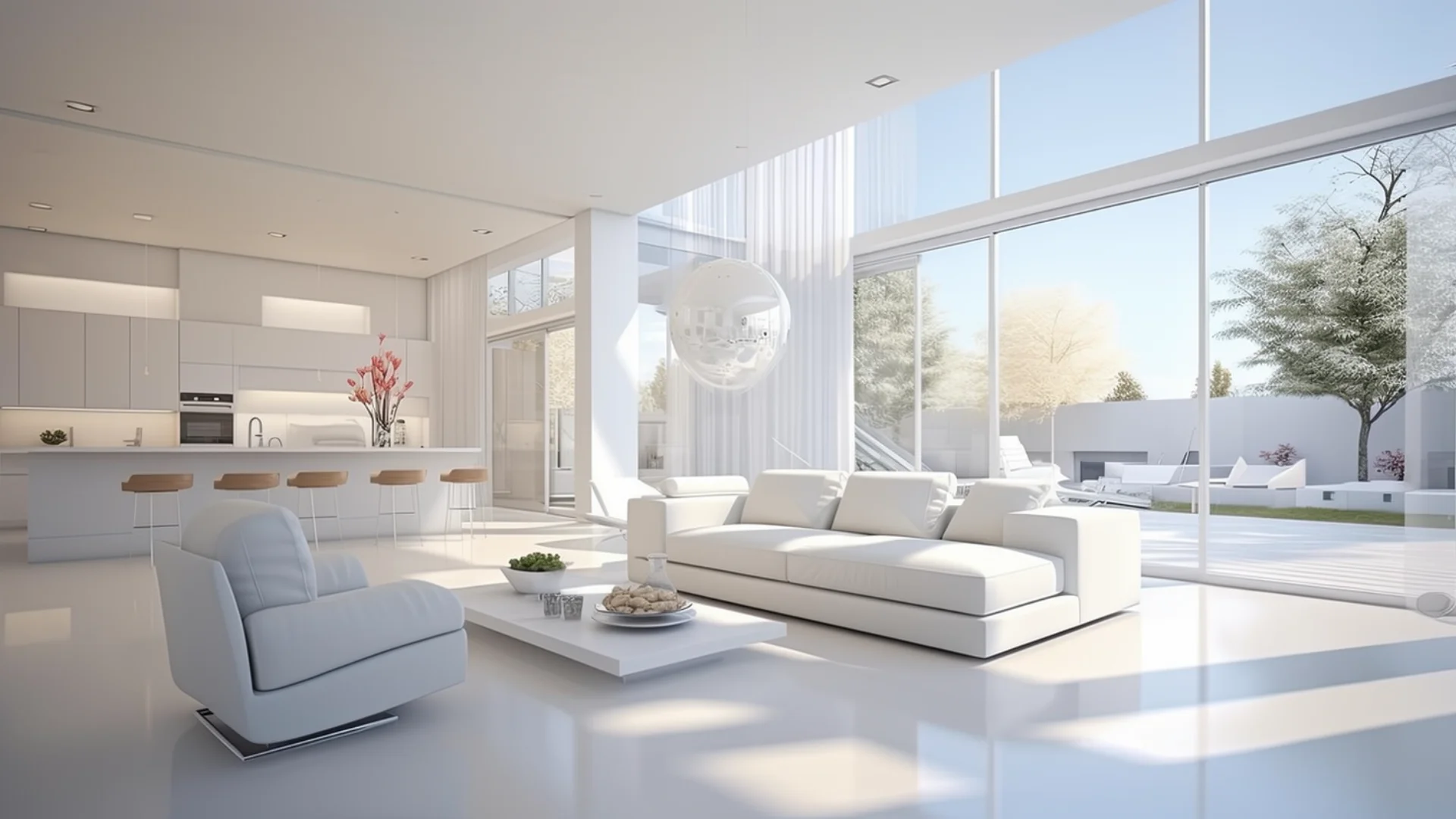
Your home should be more than a place to sleep or store belongings. It should support your daily routine, encourage relaxation, and create an environment where you feel comfortable and focused. Feng Shui Home Decorating is a design approach that helps you arrange furniture, choose colors, and organize living spaces in ways that encourage balance and harmony. While its origins date back thousands of years, many of its principles continue to influence modern interior design because they promote functionality as well as visual appeal.
Today, homeowners often combine feng shui principles with contemporary decorating styles rather than following traditional practices exactly. Whether you live in a compact apartment or a spacious family home, thoughtful design choices can improve how each room feels and functions. By focusing on natural light, comfortable layouts, meaningful décor, and clutter-free spaces, you can create a home that feels welcoming and supports your everyday lifestyle.
What Is Feng Shui Home Decorating?
Feng Shui Home Decorating is the practice of arranging and decorating a home to encourage the smooth flow of energy, often called chi. Rather than relying on decorative symbols alone, it emphasizes how furniture placement, room organization, lighting, and natural materials influence the atmosphere of a space. The goal is to create rooms that feel balanced, practical, and comfortable while supporting the activities that take place in them.
Although feng shui has ancient Chinese roots, many of its recommendations align with modern interior design principles. Keeping pathways clear, maximizing natural light, choosing furniture that fits the room, and reducing unnecessary clutter all contribute to a more enjoyable living environment. These practical ideas explain why feng shui remains relevant for homeowners looking to improve both the appearance and functionality of their homes.
Many of these concepts also complement interior design MintPalDecor, where practical layouts, thoughtful furniture placement, and balanced décor work together to improve everyday living.
Core Principles That Create a Balanced Home
One of the most important ideas behind Feng Shui Home Decorating is maintaining a smooth flow throughout the home. Rooms should feel easy to move through without obstacles that interrupt daily activities. Furniture should complement the size of the room, doors should open fully, and walkways should remain clear. These simple adjustments help a home feel more open while making everyday living more convenient.
Balance is another essential principle. A room filled with oversized furniture may feel cramped, while an overly empty room can appear cold and uninviting. Successful decorating involves mixing different textures, materials, shapes, and colors in a thoughtful way. Natural wood can soften modern interiors, curved furniture can balance sharp architectural lines, and layered lighting can make a room feel both functional and inviting.
Why Furniture Placement Matters
Furniture placement has a greater impact on comfort than many homeowners realize. A well-arranged room encourages conversation, improves movement, and creates a stronger sense of stability. One of the best-known feng shui concepts is the commanding position, where important furniture such as beds, desks, and sofas are placed so the occupant can comfortably see the entrance without sitting directly in line with it. This arrangement often creates a stronger feeling of security and awareness.
Practical considerations are just as important as symbolic ones. Avoid pushing every piece of furniture against the walls simply to create empty floor space. Instead, create natural conversation areas while leaving enough room to move comfortably through the room. Even small adjustments, such as repositioning a chair or relocating a side table, can significantly improve how a space feels.
Understanding the Five Elements in Home Design
The five elements of feng shui—wood, fire, earth, metal, and water—represent different qualities that contribute to a balanced interior. Rather than treating them as strict decorating rules, think of them as design tools that help create variety and harmony. Incorporating these elements through materials, colors, and decorative accessories can make rooms feel more complete without overwhelming the space.
Instead of trying to include every element equally in every room, consider the purpose of each area. Bedrooms often benefit from calming earth tones and natural wood, while living rooms can comfortably accommodate brighter colors and metallic accents. A balanced combination of these elements creates visual interest while supporting the room’s intended use.
| Element | Represents | Common Colors | Decorative Examples |
|---|---|---|---|
| Wood | Growth and vitality | Green, teal, brown | Wooden furniture, indoor plants |
| Fire | Energy and passion | Red, orange, purple | Candles, warm lighting, artwork |
| Earth | Stability and comfort | Beige, cream, yellow | Ceramic décor, stone accessories, rugs |
| Metal | Clarity and organization | White, gray, metallic | Metal frames, mirrors, decorative bowls |
| Water | Calmness and flow | Blue, black | Glass décor, fountains, reflective surfaces |
Choosing Colors That Support Every Room
Color has a noticeable influence on how a room feels, making it one of the most valuable tools in Feng Shui Home Decorating. Soft greens and gentle blues often create a calming atmosphere suitable for bedrooms and reading spaces, while warm neutrals help living rooms feel welcoming and comfortable. Earth-inspired shades such as beige, taupe, and warm brown contribute to a sense of stability without overwhelming the space.
Instead of selecting colors based solely on current decorating trends, consider how each room is used throughout the day. Bright accent colors can energize kitchens or creative workspaces, while muted tones encourage rest in sleeping areas. A balanced color palette also allows decorative accessories, artwork, and natural materials to stand out without creating unnecessary visual clutter.
Simple Ways to Improve Energy Flow
Creating better energy flow usually requires practical improvements rather than expensive renovations. Start by removing items that block entrances, hallways, and frequently used pathways. Allow natural light to enter whenever possible, repair broken fixtures, and keep everyday surfaces organized. These small changes immediately make a home feel cleaner, brighter, and easier to navigate.
Fresh air also plays an important role in maintaining a comfortable indoor environment. Opening windows regularly, adding healthy houseplants, and using layered lighting can make rooms feel more inviting throughout the day. Rather than filling every corner with decorations, leave some open space so each room feels balanced instead of crowded. A carefully arranged home often feels more relaxing because every item has a clear purpose and contributes to the overall design.
Decorating with Meaningful Furniture and Accessories
One of the most effective ways to practice Feng Shui Home Decorating is to choose furnishings that serve both a practical and personal purpose. Every piece should contribute to the comfort and function of the room instead of simply filling empty space. A handcrafted coffee table, a favorite painting, or a family photograph often brings more lasting value than trendy décor that quickly loses its appeal. When every item has a reason for being there, the room naturally feels more organized and welcoming.
Quality is equally important as quantity. Rather than displaying numerous small accessories, focus on a few well-chosen pieces that complement one another. Natural materials such as wood, stone, cotton, linen, and ceramic add warmth and texture while creating a timeless look. This thoughtful approach reduces visual clutter and allows each decorative element to stand out without overwhelming the room.
Creating a Welcoming Entryway
The entrance sets the tone for the rest of your home because it is the first space both residents and visitors experience. A clean, well-lit entry immediately creates a positive impression while making daily routines more convenient. Keeping shoes organized, maintaining a clear walkway, and ensuring the front door opens easily are simple improvements that support both functionality and visual balance.
Thoughtful decorative touches can make the entryway feel inviting without overcrowding it. A durable doormat, a healthy indoor plant, soft lighting, or a small console table can provide character while remaining practical. If you choose to include a mirror, position it carefully so it reflects light into the space instead of creating unnecessary distractions. The objective is to make the entrance feel open, bright, and comfortable from the moment someone steps inside.
Designing a Comfortable Living Room
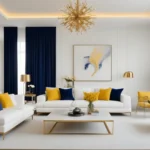
The living room is often where families spend the most time together, making it one of the most important areas of the home. Arrange seating so conversations feel natural and everyone has a comfortable place to sit. Positioning the main sofa against a solid wall often creates a stronger sense of stability, while leaving enough space between furniture makes the room easier to navigate.
Lighting also plays a major role in creating an inviting atmosphere. Combining ceiling fixtures with floor lamps, table lamps, and natural daylight adds depth and flexibility throughout the day. Decorative pillows, textured rugs, and carefully selected artwork introduce personality without making the room feel crowded. A living room should feel welcoming whether you’re entertaining guests or enjoying a quiet evening with family.
Building a Restful Bedroom Environment
A bedroom should encourage relaxation and uninterrupted sleep, so simplicity often produces the best results. Position the bed where you can comfortably see the doorway without placing it directly in line with the entrance whenever the room layout allows. A sturdy headboard provides visual balance, while matching bedside tables and lamps create symmetry that many homeowners find calming.
Keeping unnecessary items out of the bedroom can also improve the overall atmosphere. Avoid storing piles of boxes, unused furniture, or work-related equipment in sleeping areas whenever possible. Soft bedding, comfortable fabrics, gentle lighting, and calming colors help transform the room into a peaceful retreat that supports rest after a busy day.
Bringing Balance to the Kitchen
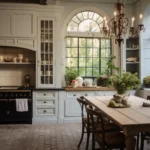
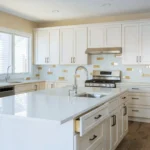
The kitchen represents nourishment, gathering, and everyday living, making cleanliness especially important. Regularly clearing countertops, organizing cabinets, and maintaining appliances helps the room remain functional while making meal preparation more enjoyable. A tidy kitchen also encourages healthier daily habits because everything is easier to find and use.
Natural materials work particularly well in kitchens because they soften hard surfaces such as countertops and appliances. Wooden cutting boards, ceramic containers, woven baskets, and small herb plants add warmth without taking up excessive space. Even simple improvements like replacing worn towels or adding better lighting above work areas can make the room feel noticeably more inviting.
Making the Bathroom Feel Fresh and Organized
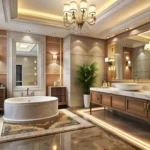
Bathrooms are often among the smallest rooms in a home, yet they benefit greatly from thoughtful organization. Keeping countertops clear, repairing dripping faucets, and storing toiletries neatly helps the room feel cleaner and more spacious. Good ventilation and regular maintenance also prevent moisture problems that can reduce comfort over time.
Soft colors, fresh towels, and natural textures create a relaxing atmosphere while maintaining a sense of cleanliness. Small plants that thrive in humid environments can add life without requiring much maintenance. Instead of using the bathroom as a storage area for unused products, focus on keeping only essential items within easy reach to preserve a calm and uncluttered appearance.
Practical Decorating Ideas for Small Homes
Living in a smaller home does not limit your ability to apply Feng Shui Home Decorating principles. In many cases, compact spaces benefit even more from careful planning because every piece of furniture affects how the room functions. Choosing multi-purpose furniture, maintaining open walkways, and using mirrors to reflect natural light can make smaller rooms feel larger and brighter without requiring structural changes.
Storage should blend naturally into the design instead of becoming the main focus of the room. Built-in shelving, storage benches, and decorative baskets help keep belongings organized while preserving valuable floor space. Limiting decorative accessories to a few meaningful pieces also prevents small rooms from feeling visually crowded, allowing the overall design to remain calm and balanced.
Choosing Plants That Complement Your Home
Indoor plants are valued in feng shui because they introduce natural beauty while strengthening the connection between indoor and outdoor environments. Healthy plants also soften furniture, add texture, and create visual interest throughout the home. If you enjoy growing herbs, flowers, or edible plants at home, learning more about market gardening can provide useful ideas for creating productive and attractive green spaces.
Easy-care varieties such as snake plants, pothos, peace lilies, and rubber plants are excellent choices for homeowners who want attractive greenery without demanding maintenance.
Placement matters as much as plant selection. Position plants where they receive appropriate light and have room to grow naturally. Avoid filling every available corner with greenery, as too many plants can make a room feel busy instead of peaceful. A few well-maintained plants often have a greater visual impact than numerous neglected ones.
Room-by-Room Feng Shui Focus
| Area | Main Goal | Recommended Approach |
|---|---|---|
| Entryway | Create a welcoming first impression | Keep pathways clear, add soft lighting, use healthy plants |
| Living Room | Encourage comfort and connection | Arrange seating naturally and layer lighting |
| Bedroom | Support rest and relaxation | Use calming colors, reduce clutter, position the bed thoughtfully |
| Kitchen | Promote health and nourishment | Keep surfaces clean and organize storage |
| Bathroom | Maintain freshness and balance | Improve ventilation, repair leaks, reduce unnecessary storage |
| Home Office | Increase focus and productivity | Face the entrance when possible and keep the workspace organized |
Decorating a Home Office for Focus and Productivity
A productive workspace should help you stay focused without feeling isolated from the rest of your home. One of the most practical Feng Shui Home Decorating principles is placing your desk where you can comfortably see the entrance while avoiding direct alignment with the door. This arrangement often creates a greater sense of awareness and allows you to work without distractions from movement behind you. Good task lighting and an ergonomic chair also contribute to a workspace that supports long hours of comfortable use.
Keep your desk organized by storing only the items you use regularly. Excess paperwork, tangled cables, and decorative objects that serve no purpose can make it harder to concentrate. Adding one or two meaningful accessories, such as a healthy plant, framed artwork, or a favorite photograph, brings personality to the room while maintaining a clean and professional environment.
Designing a Dining Room That Encourages Connection
The dining room is more than a place to eat; it is where families gather, celebrate special occasions, and spend quality time together. A well-proportioned dining table with enough space for comfortable seating helps conversations flow naturally. Warm lighting above the table creates an inviting atmosphere, while comfortable chairs encourage everyone to linger and enjoy meals together.
Decor should remain simple and purposeful so the table remains the focal point of the room. Fresh flowers, a bowl of seasonal fruit, or a natural centerpiece can add warmth without making the space feel crowded. Avoid turning the dining table into permanent storage for paperwork or household items, as keeping this area clear reinforces its role as a welcoming place for family and guests.
Common Mistakes to Avoid
Many people assume feng shui is simply about buying lucky ornaments, but the foundation of Feng Shui Home Decorating is thoughtful planning and everyday maintenance. Filling rooms with crystals, symbols, or decorative objects while ignoring clutter and poor furniture placement rarely improves how a space functions. Instead, begin with the basics by keeping rooms clean, repairing broken items, and arranging furniture to support comfortable movement.
Another common mistake is trying to follow every guideline without considering the unique layout of your home. Older houses, apartments, and open-plan living spaces often require practical adaptations rather than strict rules. The most successful approach is to use feng shui principles as flexible design guidance while making choices that suit your lifestyle, available space, and personal preferences.
| Common Mistake | Better Approach |
|---|---|
| Overcrowding rooms with decorative items | Choose fewer, high-quality pieces with personal meaning |
| Blocking walkways with furniture | Keep pathways open and comfortable to navigate |
| Ignoring natural light | Maximize daylight and add layered lighting where needed |
| Buying décor only because it is considered lucky | Select items that are both meaningful and functional |
| Following every rule without considering the home layout | Adapt principles to fit your home’s design and daily routine |
Benefits of Feng Shui Home Decorating
One reason Feng Shui Home Decorating continues to appeal to homeowners is that many of its recommendations improve everyday living regardless of personal beliefs. A well-organized home is easier to clean, more comfortable to move through, and generally feels less stressful. Thoughtful furniture placement, balanced color palettes, and natural materials create spaces that support relaxation while making daily routines more enjoyable.
This decorating approach also encourages homeowners to become more intentional about what they bring into their living spaces. Instead of purchasing decorations simply because they are fashionable, you begin choosing pieces that have lasting value and serve a purpose. Over time, this often results in interiors that feel timeless, functional, and uniquely personal rather than overly decorated.
Is Feng Shui Right for Every Home?
Feng shui is not about creating identical interiors or following rigid design formulas. Every home has different architectural features, lighting conditions, and space limitations, so the most effective solutions are those that work with the existing layout. Whether you live in a city apartment, a suburban family home, or a countryside cottage, many feng shui principles can be adapted without requiring expensive renovations.
The best results come from making gradual improvements rather than trying to transform every room at once. Begin with one space that feels cluttered or uncomfortable, then evaluate how small changes affect the way you use it. This practical approach allows you to build a more balanced home over time while ensuring every improvement genuinely enhances your daily life.
Conclusion
Feng Shui Home Decorating is ultimately about creating a home that supports comfort, balance, and everyday well-being. While its traditional principles have been practiced for centuries, many of its recommendations align naturally with modern interior design by emphasizing thoughtful layouts, natural materials, organized spaces, and functional furniture placement. These ideas help create homes that are both visually appealing and comfortable to live in.
The most successful homes are not necessarily the most expensive or the most elaborately decorated. They are the ones designed with purpose, where every room supports the people who use it each day. By focusing on practical improvements, maintaining an organized environment, and choosing décor that reflects your lifestyle, you can create a home that feels welcoming, peaceful, and enjoyable for years to come.
For more practical home improvement inspiration, decorating guides, and expert advice, explore the latest resources available on Homebillion.