Temporary Accommodation on a Construction Site Explained

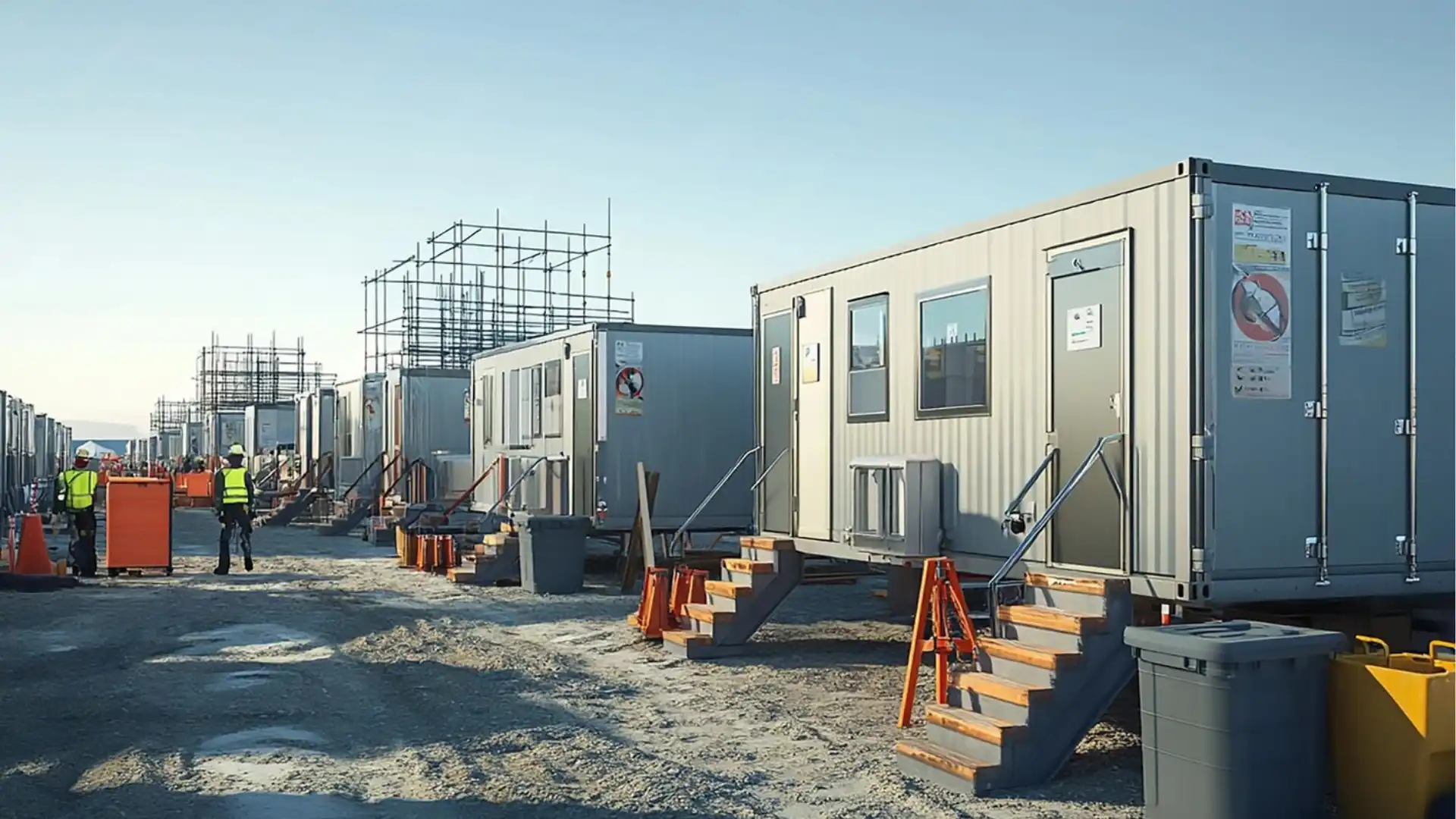
Construction projects often take place in locations where permanent housing, transport, or public facilities are limited. In these situations, Temporary Accommodation on a Construction Site provides workers with a practical place to rest, eat, and recover without spending hours commuting each day. It supports workforce well-being while helping projects stay productive and organized.
The type of accommodation provided depends on the project’s size, duration, workforce, and location. Small urban developments may only require portable welfare units, while large infrastructure or remote projects often rely on modular buildings or worker camps that include living, dining, and sanitation facilities. Well-planned accommodation is more than a convenience—it is an essential part of effective site management.
Unlike permanent housing, temporary accommodation is designed for the lifespan of the project. Once construction is complete, the units can be relocated, reused on another site, or dismantled. This flexibility makes temporary facilities a cost-effective solution for contractors managing projects in different locations.
Modern construction companies also recognize that quality accommodation directly affects worker performance. Comfortable living conditions, reliable utilities, and safe environments reduce fatigue, improve morale, and help teams remain focused throughout demanding construction schedules.
What Is Temporary Accommodation on a Construction Site?
Temporary Accommodation on a Construction Site refers to temporary living and welfare facilities provided for construction workers, engineers, supervisors, and project staff while a project is underway. These facilities allow workers to stay close to the worksite when commuting is impractical or local housing is unavailable.
Accommodation may include sleeping rooms, kitchens, dining halls, bathrooms, changing rooms, laundry facilities, offices, recreation spaces, and medical rooms. The exact facilities depend on project requirements, workforce size, and local regulations governing worker welfare.
Why It Is Important
Construction projects frequently operate on strict schedules where delays can significantly increase costs. Housing workers near the project minimizes travel time, allows quicker response to changing site conditions, and supports efficient shift management.
Providing proper accommodation also demonstrates a contractor’s commitment to worker welfare. Employees who have access to clean, safe, and comfortable facilities are generally more productive, experience lower fatigue, and are better able to maintain safe working practices throughout long projects.
How Temporary Accommodation Differs from Permanent Housing
Permanent housing is built for long-term residential use, whereas construction accommodation is intended only for the duration of a project. Temporary units are designed to be portable, modular, and reusable, allowing contractors to relocate them to future job sites.
Because these facilities serve an active construction environment, they prioritize durability, quick installation, easy maintenance, and compliance with workplace safety standards rather than long-term residential features.
Why Temporary Accommodation Is Essential for Construction Projects
Construction activities often begin in undeveloped locations where hotels, apartments, or rental properties are either unavailable or located far from the worksite. Providing Temporary Accommodation on a Construction Site ensures that workers remain close to their workplace, reducing travel-related delays and improving operational efficiency.
Keeping employees near the project also allows managers to organize multiple shifts more effectively, respond to emergencies quickly, and make better use of available working hours. These advantages become especially valuable on projects with demanding deadlines or changing weather conditions.
Supporting Workforce Productivity
Long daily commutes can leave workers tired before they even begin their shifts. By eliminating unnecessary travel, temporary accommodation helps employees arrive rested and prepared for physically demanding work.
Better rest contributes to improved concentration, fewer mistakes, and stronger teamwork. Over the course of a lengthy project, these improvements can positively influence construction quality, project timelines, and overall workforce satisfaction.
Improving Worker Welfare
Worker welfare has become an increasingly important focus within the construction industry. Comfortable accommodation allows employees to recover properly after long shifts while maintaining good hygiene and personal well-being.
Access to clean bathrooms, comfortable sleeping areas, nutritious meals, and climate-controlled living spaces creates a healthier environment that supports both physical and mental well-being throughout the project.
Common Types of Temporary Accommodation Used on Construction Sites
There is no single accommodation solution suitable for every construction project. Contractors select facilities based on workforce numbers, project duration, available land, environmental conditions, and budget. The goal is to balance worker comfort with operational efficiency.
Today’s construction industry increasingly favors modular solutions because they can be installed quickly, expanded when workforce numbers increase, and relocated to future projects after completion.
Portable Cabins
Portable cabins remain one of the most widely used accommodation solutions for short and medium-term construction projects. They are manufactured off-site and delivered ready for installation, reducing setup time and minimizing disruption.
These cabins can function as bedrooms, offices, welfare units, changing rooms, meeting areas, or dining facilities. Their mobility allows contractors to adapt site layouts as construction progresses.
Modular Accommodation Buildings
Modular accommodation consists of prefabricated sections assembled into larger buildings once delivered to the project site. This approach creates more comfortable living environments while maintaining flexibility for future relocation.
Many modular facilities include private bedrooms, shared kitchens, modern bathrooms, laundry rooms, offices, and recreational spaces. Their scalable design makes them particularly suitable for large commercial developments and infrastructure projects.
Dormitory-Style Worker Housing
Dormitory accommodation provides shared living arrangements for larger construction teams. Individual sleeping areas are combined with communal facilities such as dining halls, bathrooms, and recreation rooms to accommodate many workers efficiently.
Although dormitory housing offers significant cost savings, careful planning is necessary to maintain privacy, cleanliness, and acceptable occupancy levels that comply with local welfare standards.
Mobile Homes and Recreational Vehicles
Mobile homes and recreational vehicles are commonly used for smaller specialist crews working on short-duration projects or sites that frequently relocate. Their built-in living facilities allow rapid deployment with minimal preparation.
These units generally include sleeping areas, compact kitchens, bathrooms, and climate control systems. However, they still require reliable utility connections such as electricity, water supply, and wastewater disposal.
Worker Camps
Large infrastructure, mining, renewable energy, and pipeline projects frequently establish dedicated worker camps capable of accommodating hundreds or even thousands of employees. These camps operate as temporary communities supporting long-term construction activities.
A modern worker camp may include accommodation blocks, dining halls, medical clinics, security offices, fitness areas, recreation facilities, parking, maintenance workshops, and communication centers to support daily operations.
Off-Site Accommodation
In densely populated urban areas, contractors sometimes choose nearby hotels, serviced apartments, or rental properties instead of building accommodation directly on the site. This approach works well where suitable housing already exists close to the project.
While off-site accommodation reduces initial setup costs, daily transportation, traffic congestion, and ongoing accommodation expenses may increase overall project costs during extended construction periods.
Key Features of High-Quality Construction Site Accommodation
Effective Temporary Accommodation on a Construction Site should provide more than basic shelter. Workers require facilities that promote safety, hygiene, comfort, and recovery after demanding physical work. Investing in quality accommodation often results in higher productivity and fewer operational disruptions.
Modern construction accommodation should also remain reliable under changing weather conditions while supporting daily living needs through dependable utilities, secure environments, and well-maintained communal facilities.
| Essential Feature | Why It Matters |
|---|---|
| Comfortable Sleeping Areas | Improves rest and recovery |
| Clean Bathrooms | Maintains hygiene and worker health |
| Reliable Water Supply | Supports sanitation and daily living |
| Heating and Cooling | Keeps living conditions comfortable year-round |
| Kitchen and Dining Areas | Allows proper meal preparation and nutrition |
| Laundry Facilities | Improves cleanliness during long-term projects |
| Internet Access | Supports communication with families and management |
| Fire Safety Systems | Protects occupants during emergencies |
| Secure Storage | Safeguards personal belongings and equipment |
| Adequate Lighting | Improves safety around accommodation areas |
Comfort and Daily Living
Comfortable accommodation is not about luxury but about creating conditions that allow workers to recover effectively. Quality beds, proper ventilation, quiet sleeping areas, and clean communal spaces contribute to healthier and more productive teams.
Creating organized, calming spaces can improve both comfort and well-being, and many of the same principles used in feng shui home decorating can inspire better layouts for living areas, even in temporary accommodation.
Simple improvements such as reliable Wi-Fi, secure lockers, recreational spaces, and climate-controlled rooms also improve morale, particularly on remote projects where workers may remain on-site for extended periods.
Safety and Security
Accommodation should always be separated from active construction zones while remaining easily accessible. Clearly marked walkways, emergency exits, security lighting, and controlled access points reduce unnecessary risks for residents.
Modern accommodation areas increasingly incorporate surveillance systems, fire detection equipment, emergency communication systems, and clearly displayed evacuation procedures to strengthen overall site safety.
Planning Temporary Accommodation on a Construction Site
Proper planning is one of the most important factors in creating successful Temporary Accommodation on a Construction Site. Decisions made before accommodation units arrive can influence worker welfare, project efficiency, operational costs, and compliance throughout the construction period.
A well-planned accommodation strategy considers not only current workforce requirements but also future expansion, changing project phases, and local environmental conditions. Planning early helps avoid costly modifications and unnecessary delays once construction begins.
Assess Workforce Requirements
Every project begins with estimating how many people will require accommodation. This assessment should include construction workers, supervisors, engineers, subcontractors, security personnel, inspectors, and temporary specialists who may join during different phases of the project.
Project managers should also prepare for workforce fluctuations. Large developments often require additional labor during structural work or finishing stages, making scalable accommodation solutions more practical than fixed-capacity facilities.
Evaluate Project Duration
The expected construction timeline directly influences the type of accommodation selected. Projects lasting only a few weeks may justify portable cabins or nearby hotels, while multi-year developments usually require more permanent modular housing with expanded welfare facilities.
Long-term accommodation should support daily living through private sleeping areas, adequate storage, recreational spaces, laundry facilities, and reliable dining services. These features improve worker retention and create a healthier working environment over extended periods.
Analyze Site Location
Location plays a major role in accommodation planning because each construction site presents different logistical challenges. Remote locations often require self-contained accommodation with independent power generation, water storage, sewage treatment, and food supply systems.
Urban projects may benefit from existing hotels or rental apartments, but contractors must still evaluate commuting times, traffic conditions, parking availability, and local housing costs before making accommodation decisions.
Plan Utilities Before Installation
Accommodation units cannot function efficiently without reliable utilities. Accommodation units cannot function efficiently without reliable utilities. Proper electrical wiring is especially important for powering lighting, heating, cooling, communication systems, and other essential services throughout temporary accommodation facilities. Electricity, potable water, wastewater disposal, heating, cooling, internet connectivity, and waste collection should all be planned before units are delivered to the project site.
Early utility planning reduces installation delays and helps contractors avoid expensive modifications after occupancy. Coordinating utility providers before construction begins also minimizes interruptions during the project’s critical phases.
Designing a Safe and Functional Accommodation Layout
The layout of accommodation facilities directly affects worker safety, convenience, and day-to-day operations. Poorly positioned living areas can expose occupants to unnecessary noise, dust, vehicle traffic, or hazardous construction activities.
A carefully organized site separates accommodation from high-risk work zones while maintaining convenient access to offices, welfare facilities, parking, and emergency services. Clear circulation routes also improve movement throughout the site during both normal operations and emergencies.
Separate Living Areas from Construction Activities
Accommodation should never be located adjacent to heavy machinery, crane operations, fuel storage, excavation work, or material handling zones. Maintaining adequate separation reduces exposure to noise, airborne dust, and potential workplace hazards.
Clearly defined pedestrian routes with proper lighting, protective barriers, and directional signage help workers move safely between accommodation and work areas without interfering with ongoing construction operations.
Prepare for Emergencies
Every accommodation area should include emergency access routes, assembly points, fire extinguishers, smoke detection systems, and clearly displayed evacuation procedures. Workers should receive basic emergency instructions immediately after moving into the accommodation.
Regular emergency drills help familiarize occupants with evacuation routes and improve response times during unexpected situations. Well-maintained emergency equipment also supports compliance with workplace health and safety regulations.
Safety and Legal Requirements
Providing Temporary Accommodation on a Construction Site involves more than supplying living quarters. Contractors must comply with building regulations, occupational health standards, fire safety requirements, sanitation rules, and worker welfare legislation applicable to their region.
Failure to meet these standards can result in regulatory penalties, project delays, legal disputes, and unnecessary risks to worker health. Compliance should therefore remain a priority throughout the planning, installation, and operation of temporary accommodation facilities.
Worker Welfare Standards
Construction workers should have access to clean drinking water, hygienic washing facilities, safe food preparation areas, and suitable sleeping environments. Accommodation should provide sufficient personal space while avoiding overcrowded living conditions that affect comfort and health.
Maintaining high welfare standards demonstrates responsible project management and often contributes to improved workforce morale, stronger productivity, and reduced employee turnover during long-term projects.
Fire Protection and Site Security
Fire prevention measures should include smoke detectors, emergency lighting, clearly marked escape routes, and regularly inspected firefighting equipment. Electrical systems must also be installed and maintained according to recognized safety standards.
Security measures such as perimeter fencing, controlled entry points, surveillance cameras, and trained security personnel help protect both workers and valuable construction equipment from theft or unauthorized access.
Factors That Affect Accommodation Costs
The total investment required for Temporary Accommodation on a Construction Site depends on much more than the rental price of accommodation units. Site conditions, utility infrastructure, transportation, and maintenance all influence the final project budget.
Understanding these cost factors allows contractors to develop realistic financial plans while selecting accommodation solutions that balance affordability with worker comfort and long-term operational efficiency.
| Cost Factor | Impact on Overall Budget |
|---|---|
| Workforce Size | Determines accommodation capacity |
| Project Duration | Influences rental or purchase costs |
| Accommodation Type | Modular units generally cost more than basic cabins |
| Site Preparation | Includes grading, foundations, and access roads |
| Utility Installation | Covers electricity, water, sewer, and internet |
| Transportation | Delivery and removal of accommodation units |
| Maintenance | Cleaning, repairs, and facility management |
| Security Services | Guards, fencing, lighting, and monitoring |
| Regulatory Compliance | Permits, inspections, and certifications |
| Site Restoration | Removal of facilities and land rehabilitation |
Balancing Cost and Quality
Selecting the least expensive accommodation option rarely delivers the best long-term value. Poor-quality facilities often increase maintenance expenses, reduce worker satisfaction, and contribute to lower productivity throughout the project.
Investing in durable, energy-efficient accommodation can reduce operational costs over time while creating a healthier environment that supports workforce performance and minimizes unexpected disruptions.
Benefits of Temporary Accommodation on a Construction Site
Well-designed Temporary Accommodation on a Construction Site offers benefits that extend far beyond simply providing workers with a place to sleep. It improves operational efficiency while supporting worker welfare and overall project performance.
Construction companies increasingly recognize accommodation as an investment rather than an expense because better living conditions contribute directly to project stability, workforce retention, and consistent productivity.
Improved Productivity and Time Management
Workers who live close to the construction site spend less time commuting and more time resting before each shift. Better rest improves concentration, decision-making, and physical performance throughout demanding construction activities.
Shorter travel distances also make shift changes more efficient, reduce delays caused by traffic or weather, and allow project managers to respond more quickly to unexpected operational requirements.
Better Health and Worker Well-Being
Comfortable accommodation supports both physical and mental well-being by providing workers with opportunities to recover after physically demanding work. Clean living environments, reliable sanitation, nutritious meals, and climate-controlled facilities all contribute to healthier employees.
Projects that prioritize worker welfare often experience improved morale, lower absenteeism, and stronger teamwork. Employees who feel supported are generally more motivated to maintain high standards of workmanship and site safety.
Greater Project Efficiency
Accommodation located near the worksite improves communication between supervisors and construction teams. Managers can organize work schedules more effectively while responding rapidly to changing site conditions or urgent maintenance requirements.
This operational flexibility becomes especially valuable on remote infrastructure projects where transporting workers from distant locations would consume significant time and financial resources.
Sustainability in Modern Construction Accommodation
Environmental responsibility has become an important consideration when designing temporary accommodation facilities. Many contractors now choose modular buildings that can be relocated and reused across multiple projects instead of constructing single-use facilities.
Reusable accommodation reduces construction waste, lowers material consumption, and minimizes the environmental impact associated with repeated site development. It also provides long-term financial savings for companies managing multiple projects.
Energy Efficiency
Modern accommodation units increasingly incorporate insulated wall systems, LED lighting, efficient heating and cooling equipment, and smart energy management technologies. These improvements reduce electricity consumption while creating more comfortable indoor environments.
Energy-efficient facilities also lower operating costs during long-term projects, making them attractive for contractors seeking both environmental and financial benefits.
Responsible Waste Management
Construction accommodation should include organized waste collection systems, recycling facilities where available, and proper wastewater management to protect surrounding land and water resources. Effective waste management also helps maintain clean living conditions for workers.
Proper water management is important in many outdoor environments, and understanding factors that affect ground pools lasting can also help property owners maintain outdoor water features for many years.
Good environmental practices support regulatory compliance while demonstrating a company’s commitment to responsible construction management and sustainable project delivery.
Common Challenges and How to Avoid Them
Even the best accommodation plans can face challenges if they are not managed throughout the project. As the workforce grows or construction activities change, accommodation requirements may also change. Regular inspections and feedback from workers help identify problems before they affect productivity or safety.
Project managers should review living conditions periodically instead of waiting for complaints. Routine maintenance, timely repairs, and open communication with workers help create a comfortable environment while reducing operational disruptions.
Overcrowding and Limited Privacy
One of the most common mistakes is placing too many workers in a limited space. Overcrowded accommodation often results in poor sleep, higher stress levels, hygiene issues, and increased conflict among occupants.
Providing adequate personal space, proper ventilation, and sufficient bathroom facilities improves comfort and supports worker well-being. Even shared accommodation should be designed to offer reasonable privacy and quiet sleeping conditions.
Poor Maintenance
Accommodation facilities require continuous maintenance throughout the project. Plumbing problems, damaged electrical systems, worn furniture, or poor sanitation can quickly reduce living standards if repairs are delayed.
Establishing a maintenance schedule ensures that essential systems remain operational while extending the lifespan of accommodation units. Preventive maintenance also helps avoid costly emergency repairs later.
Inadequate Utility Services
Reliable utilities are essential for daily living. Interruptions to electricity, water supply, internet access, or heating and cooling systems can significantly affect worker satisfaction and project efficiency.
Backup power systems, water storage, and regular inspections of utility infrastructure help minimize service interruptions. Planning for emergencies ensures that accommodation remains functional even during unexpected situations.
On-Site Accommodation vs. Off-Site Accommodation
Choosing between on-site and off-site accommodation depends on several project-specific factors, including location, workforce size, budget, and available infrastructure. Neither option is universally better, as each offers advantages under different circumstances.
Projects in remote regions generally benefit from on-site accommodation because workers remain close to active construction areas. Urban developments, however, may find nearby hotels or serviced apartments more practical when suitable accommodation is readily available.
Comparison of Both Options
| Feature | On-Site Accommodation | Off-Site Accommodation |
|---|---|---|
| Distance to Work | Very Short | Depends on location |
| Daily Travel | Minimal | May be significant |
| Setup Cost | Higher initially | Lower initial investment |
| Long-Term Cost | Often lower for large projects | Can increase over time |
| Worker Convenience | Excellent | Moderate |
| Flexibility | High for remote sites | Better in urban locations |
Making the Right Choice
Contractors should evaluate project duration, transportation options, workforce size, local housing availability, and overall operating costs before selecting an accommodation strategy. A detailed cost-benefit analysis often provides the clearest answer.
Many companies also use hybrid solutions, combining on-site accommodation for essential personnel with nearby hotels or rental properties for visiting specialists and short-term contractors.
Industries That Commonly Use Temporary Accommodation
Although construction remains the primary sector, many industries rely on Temporary Accommodation on a Construction Site or similar workforce housing solutions to support projects in remote or developing locations.
Large-scale developments often require skilled workers to remain near the project for weeks or months. Temporary accommodation helps maintain operational efficiency while reducing the logistical challenges associated with long-distance commuting.
Infrastructure and Civil Engineering
Major highway, bridge, railway, airport, and tunnel projects frequently operate in isolated areas where local accommodation is unavailable. Temporary housing enables construction teams to remain close to work zones throughout extended construction schedules.
Infrastructure projects also benefit from improved coordination because engineers, supervisors, and construction crews remain available for emergency work, inspections, and changing project requirements.
Energy, Mining, and Industrial Projects
Renewable energy developments, oil and gas facilities, mining operations, and industrial construction projects often establish dedicated worker camps capable of supporting large workforces for extended periods.
These facilities typically include accommodation, dining halls, medical services, recreation areas, administrative offices, and security infrastructure to create self-sufficient communities in remote environments.
Best Practices for Managing Construction Site Accommodation
Providing accommodation is only one part of successful workforce management. Maintaining high living standards throughout the project requires consistent supervision, regular inspections, and continuous improvements based on worker feedback.
Experienced contractors recognize that accommodation management directly affects workforce morale, safety performance, and overall project success. A proactive approach helps prevent small issues from becoming major operational problems.
Conduct Regular Inspections
Routine inspections help ensure that accommodation facilities remain clean, safe, and fully operational. Managers should regularly review sleeping areas, kitchens, bathrooms, electrical systems, fire safety equipment, and communal spaces.
Documenting inspection findings also supports regulatory compliance while providing a record of maintenance activities and corrective actions taken during the project.
Encourage Worker Feedback
Construction workers use accommodation every day and often identify issues before management becomes aware of them. Providing simple reporting channels encourages workers to raise concerns related to maintenance, hygiene, comfort, or safety.
Responding promptly to feedback demonstrates respect for worker welfare while helping maintain positive working relationships throughout the duration of the project.
Conclusion
Temporary Accommodation on a Construction Site plays a vital role in supporting construction projects where daily commuting is impractical or local housing is limited. Well-planned accommodation provides workers with safe, comfortable, and functional living spaces while improving project coordination, reducing travel time, and supporting workforce well-being.
Selecting the right accommodation solution requires careful consideration of project duration, workforce size, site conditions, budget, and legal requirements. Whether using portable cabins, modular buildings, worker camps, or nearby rental accommodation, contractors should prioritize safety, hygiene, operational efficiency, and long-term value.
As construction projects continue to grow in scale and complexity, investing in high-quality Temporary Accommodation on a Construction Site is no longer simply a welfare measure. It has become a strategic decision that improves productivity, strengthens workforce satisfaction, supports regulatory compliance, and contributes to successful project delivery from start to finish.