
Remodel a Bathroom: How Long Does the Process Really Take?

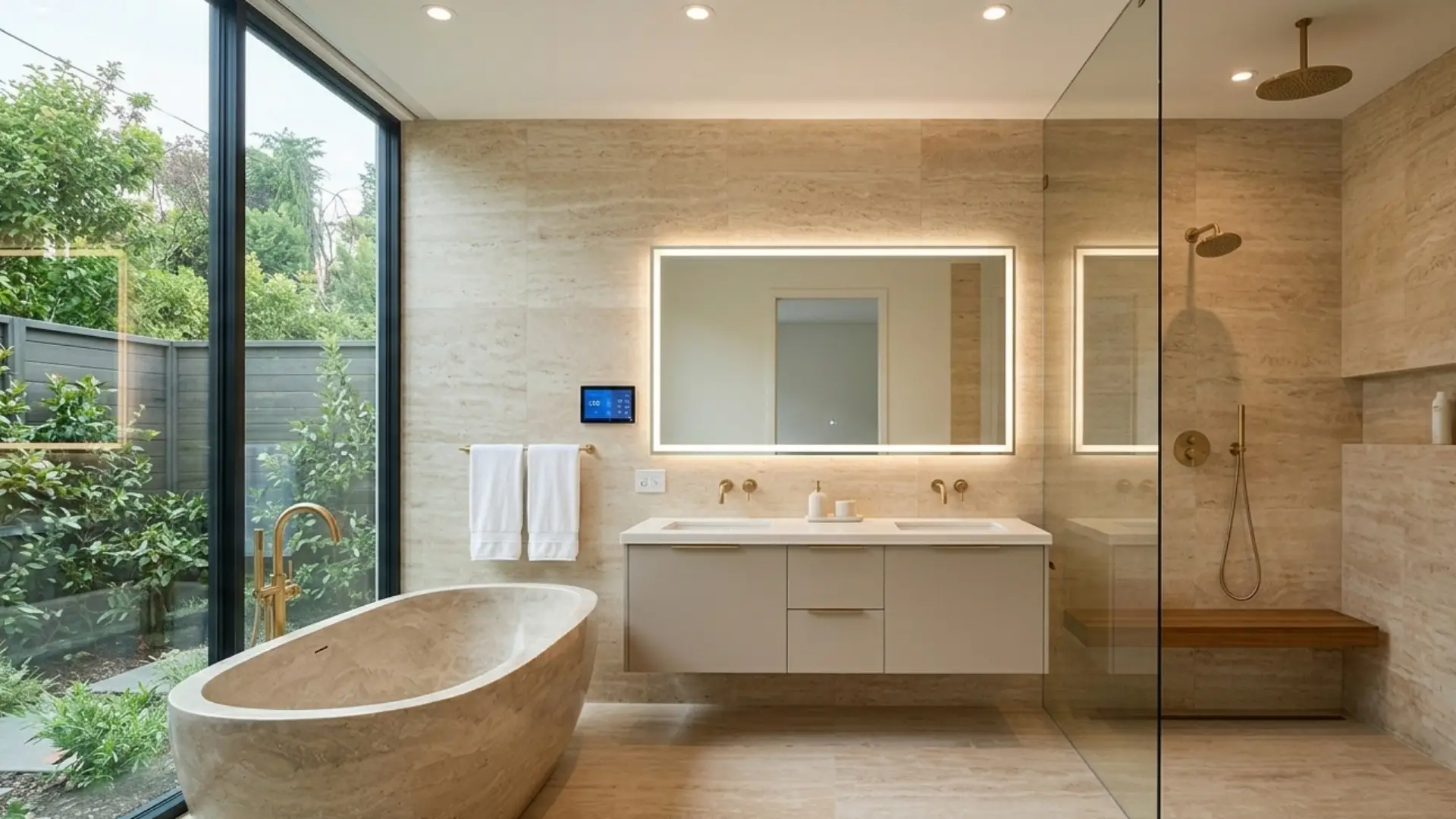
Planning to remodel a bathroom is an exciting step toward improving both the comfort and value of your home. One of the first questions homeowners ask is how long the process will take. While a bathroom renovation may appear straightforward, several stages must be completed in the correct order to ensure lasting results. From design and demolition to plumbing, waterproofing, and finishing touches, each phase affects the overall schedule.
In most cases, a bathroom remodel takes two to eight weeks once construction begins. Smaller cosmetic updates can be completed in just a few days, while a full renovation involving new plumbing, custom tile, or layout changes may take several weeks longer. The timeline depends on the size of the bathroom, the complexity of the design, material availability, inspection requirements, and whether any hidden problems are discovered during demolition.
This guide explains how long it typically takes to remodel a bathroom, what happens during each stage of the project, the factors that can extend the schedule, and practical ways to keep your renovation moving efficiently. Whether you are updating a compact guest bathroom or transforming a spacious master suite, understanding the process will help you plan with confidence and avoid unnecessary delays.
If you’re comparing permanent renovations with temporary bathroom solutions for events or construction projects, our guide to luxury bathroom trailers explains when premium mobile restroom options may be a better choice.
Average Timeline to Remodel a Bathroom
The time required to remodel a bathroom varies depending on the amount of work involved. A simple refresh that includes new paint, updated lighting, a replacement vanity, or modern fixtures can often be completed within a week. A complete renovation that involves replacing flooring, installing new tile, upgrading plumbing fixtures, and improving electrical systems generally requires four to six weeks.
Larger bathrooms with luxury features usually require additional time because they involve more materials, custom installations, and greater coordination between different trades. Projects that relocate plumbing or require structural modifications may also take longer due to permit approvals and inspections.
The table below provides a general estimate for different types of bathroom remodeling projects.
| Bathroom Project | Typical Construction Time |
|---|---|
| Cosmetic updates | 3–7 days |
| Bathroom floor replacement | 1–5 days |
| Small bathroom remodel | 2–4 weeks |
| 5×8 bathroom remodel | 2–4 weeks |
| Standard full bathroom remodel | 4–6 weeks |
| 10×7 bathroom remodel | 3–6 weeks |
| Master bathroom remodel | 6–10 weeks |
| DIY bathroom remodel | 4–12 weeks or longer |
These estimates assume that planning is complete before demolition begins and that all major materials are available when needed.
Why Every Bathroom Remodel Takes a Different Amount of Time
No two bathroom renovations follow exactly the same schedule. Two bathrooms may have identical dimensions but require very different amounts of work behind the walls. One homeowner may simply replace outdated fixtures, while another decides to install a walk-in shower, heated flooring, custom cabinetry, and upgraded electrical wiring.
The biggest factors that influence how long it takes to remodel a bathroom include the project’s scope, the condition of the existing structure, material availability, contractor scheduling, permit requirements, and the number of specialized trades involved. Even well-planned projects can encounter unexpected issues once old flooring or drywall is removed.
Older homes often reveal problems that cannot be seen before demolition begins. Water damage, deteriorated plumbing pipes, outdated electrical wiring, mold, or weakened subfloors may require repairs before new materials can be installed. Although these discoveries can extend the schedule, addressing them during the renovation helps prevent more costly repairs in the future.
Custom design choices also affect the timeline. Specialty tile, frameless shower glass, natural stone countertops, and made-to-order vanities frequently have longer manufacturing and delivery times than standard products. Waiting for these materials after demolition has already started can leave the bathroom unusable for an extended period.
Planning Before You Remodel a Bathroom
Careful planning is one of the most effective ways to keep a bathroom renovation on schedule. Homeowners often focus on demolition because it feels like visible progress, but the planning stage has a greater impact on the success of the entire project.
Most planning takes between one and four weeks for a standard renovation. More customized designs may require additional time to finalize layouts, compare materials, establish a realistic budget, and coordinate contractor availability.
Before work begins, every major decision should already be made. Selecting fixtures after construction has started frequently causes delays because contractors may need to pause while waiting for products or revised installation instructions.
A well-prepared remodeling plan should answer several important questions. Will the existing layout remain the same? Are plumbing fixtures staying in their current locations? Is the project limited to cosmetic improvements, or will walls be opened and utilities relocated? Establishing these details early reduces unexpected changes during construction.
Choosing Materials Before Construction Starts
Ordering materials before demolition is one of the simplest ways to avoid unnecessary delays. Many bathroom products are readily available, but others require several weeks for manufacturing and shipping.
Homeowners should confirm delivery dates for key items such as the vanity, toilet, faucets, shower valve, flooring, tile, lighting, and mirrors before work begins. If even one essential component arrives late, the entire project can slow down because many installation steps depend on previous work being completed.
Custom shower glass deserves particular attention. Unlike standard fixtures, glass panels are usually measured after the tile installation is finished to ensure a precise fit. Manufacturing typically takes additional time, so homeowners should expect the shower enclosure to be one of the final elements installed.
Choosing readily available products instead of highly customized materials can significantly reduce waiting periods without sacrificing quality or appearance.
Understanding Permits and Inspections
Not every bathroom renovation requires permits, but projects involving plumbing, electrical systems, structural modifications, or ventilation upgrades often do. Local building regulations vary, so homeowners should verify permit requirements before construction begins rather than assuming they are unnecessary.
Permits help ensure the renovation complies with current building codes and safety standards. Although obtaining approvals may extend the project schedule slightly, they provide reassurance that important systems have been installed correctly.
Inspections are typically performed after rough plumbing and electrical work are completed and again when the renovation is finished. Contractors generally cannot close walls until inspectors approve the hidden work behind them. Scheduling inspections in advance helps minimize downtime between construction stages.
Preparing Your Home for the Remodel
Construction affects more than just the bathroom itself. Workers will carry materials, tools, and debris through hallways, entryways, and nearby rooms every day. Protecting these areas before work begins helps prevent accidental damage and makes cleanup much easier.
Most contractors install floor protection and temporary dust barriers before demolition starts. These simple precautions help reduce the spread of dust throughout the home while protecting finished flooring from heavy equipment and construction debris.
Homeowners should also remove toiletries, towels, decorations, medications, and personal belongings from the bathroom before the crew arrives. Clearing cabinets and storage areas gives contractors better access to the workspace while reducing the chance of personal items being damaged or misplaced.
If the bathroom being renovated is the home’s only full bathroom, it is wise to make temporary arrangements before construction begins. Staying with family for a few days or arranging access to another bathroom can make the renovation far less disruptive, particularly during demolition and plumbing work.
What Happens After Planning?
Once planning is complete, permits have been secured, and all major materials are ready, construction can begin. The next stages include demolition, plumbing and electrical rough-ins, framing repairs, waterproofing, drywall installation, flooring, tile work, painting, fixture installation, and final inspections. Each stage builds on the previous one, making proper sequencing essential for a successful renovation.
Bathroom Remodel Timeline by Construction Stage
Once planning is complete and all major materials have arrived, the construction phase begins. Although every project is different, professional contractors follow a similar sequence to ensure each stage is completed safely and correctly. Skipping steps or rushing through critical work often leads to expensive repairs later, especially in a room that is constantly exposed to moisture.
Understanding what happens during each phase makes it easier to estimate how long it will take to remodel a bathroom and why certain tasks cannot begin until earlier work has been completed.
Demolition
Demolition usually takes one to three days, depending on the size of the bathroom and the amount of material being removed. During this stage, contractors remove old fixtures, flooring, cabinets, drywall, and wall coverings while protecting nearby areas from dust and debris.
Although demolition appears straightforward, it often reveals hidden issues that affect the schedule. Water damage beneath the floor, mold behind shower walls, damaged framing, or outdated plumbing are common discoveries in older homes. Addressing these problems immediately creates a stronger foundation for the new bathroom and helps prevent future maintenance issues.
Plumbing and Electrical Rough-Ins
After demolition, licensed plumbers and electricians complete the rough-in work. This stage generally takes two to five days and involves installing or modifying water supply lines, drain pipes, electrical wiring, switches, outlets, lighting circuits, and ventilation connections.
If the existing layout remains unchanged, the work is usually completed more quickly because fewer systems need to be relocated. Moving a shower, bathtub, vanity, or toilet requires additional plumbing adjustments and may also trigger permit inspections, extending the overall schedule.
Many remodeling professionals recommend replacing aging pipes or outdated wiring while the walls are open, even if they are still functional. Making these upgrades now is often less expensive than repairing hidden problems after the renovation is complete.
Framing and Structural Repairs
Once the rough plumbing and electrical work are finished, contractors repair or modify framing where necessary. This stage generally requires one to three days, although larger repairs can take longer.
If damaged wall studs, weakened floor joists, or uneven subfloors are discovered, they must be corrected before new finishes are installed. A level and structurally sound surface is especially important for tile installations because uneven floors can eventually lead to cracked grout or loose tiles.
Additional framing may also be installed to support grab bars, floating vanities, recessed shower niches, or heavy glass shower doors.
Waterproofing
Waterproofing is one of the most important stages of any bathroom renovation, even though it is hidden behind the finished surfaces. Depending on the waterproofing system being used, this process usually takes one to three days.
Professional installers apply waterproof membranes, seal corners and joints, prepare shower pans, and ensure that moisture cannot penetrate the walls or floor. Some systems also require flood testing before tile installation begins to confirm there are no leaks.
Rushing this stage can create long-term problems that are far more expensive than spending an extra day completing the work properly. Moisture that reaches framing or subfloors can eventually lead to mold growth, wood rot, and structural damage.
Drywall and Surface Preparation
After waterproofing and inspections are complete, contractors install moisture-resistant drywall or cement backer board where required. This phase generally takes one to three days.
Walls must be flat, secure, and properly finished before tile or paint is applied. Even small imperfections can become noticeable once mirrors, cabinets, or large-format tiles are installed.
Corners, joints, and fasteners are carefully finished to create smooth surfaces that contribute to a professional-looking result. Although this work receives little attention, it plays an important role in the overall appearance of the finished bathroom.
Tile Installation and Flooring
Tile work is often the most time-consuming stage of the project because precision is essential. Depending on the size of the bathroom and the complexity of the design, installation generally takes three to seven days.
Large floor tiles may be installed relatively quickly, while intricate shower walls, decorative borders, niches, benches, or mosaic patterns require considerably more labor. After the tiles are installed, adhesive and grout need sufficient curing time before additional work can continue.
Homeowners hoping to finish their project sooner may choose simpler tile layouts rather than elaborate patterns that require additional cutting and installation time.
If luxury vinyl flooring or sheet vinyl is selected instead of ceramic or porcelain tile, installation can often be completed much faster.
Painting and Finishing Walls
Painting usually takes one to two days, depending on the condition of the walls and the number of coats required.
Most contractors wait until the dust-producing stages are complete before applying paint. This helps prevent scratches, scuffs, and unnecessary touch-ups while fixtures and cabinetry are being installed.
Bathrooms should always be painted with products designed to resist humidity and frequent cleaning. High-quality moisture-resistant paint provides better long-term durability in areas exposed to steam and condensation.
Installing Fixtures and Cabinets
As construction nears completion, the bathroom begins to take its finished shape. This stage usually requires two to four days and includes installing the vanity, sink, faucet, toilet, lighting, mirrors, accessories, and plumbing fixtures.
Cabinets are carefully leveled before countertops are installed, and plumbing connections are tested to confirm there are no leaks. Lighting fixtures, exhaust fans, and electrical outlets are also installed and checked for proper operation.
Custom shower glass is frequently one of the final components added because measurements are taken only after the tile has been completed. Manufacturing and delivery may require additional time, even when the rest of the bathroom is finished.
Final Inspection and Project Completion
The last stage usually takes one to three days and focuses on quality control rather than major construction.
Contractors complete a detailed walkthrough, checking plumbing fixtures, electrical systems, cabinet alignment, caulking, grout, doors, and hardware. Any small adjustments are made before the project is considered complete.
Homeowners should also perform their own inspection before making the final payment. Running the shower, flushing the toilet, testing faucets, checking ventilation, opening drawers, and examining tile joints can help identify minor issues while the contractor is still on site.
A careful final walkthrough ensures that every part of the renovation meets expectations before the bathroom is returned to daily use.
How Long Does Flooring Replacement Take?
If your project focuses only on replacing the floor rather than completing a full renovation, the work is usually much faster. Most bathroom floor replacements are completed within one to five days, depending on the flooring material and the condition of the existing subfloor.
Luxury vinyl plank and sheet vinyl are among the quickest options because they require minimal curing time. Ceramic and porcelain tile generally take longer because installers must prepare the surface, lay the tile accurately, allow adhesive to cure, apply grout, and complete final cleaning before the floor can be used.
When water damage is discovered beneath the old flooring, additional repairs may be necessary before installation begins. Although this can extend the timeline, replacing damaged subflooring is essential for preventing future structural problems.
Timeline Based on Bathroom Size
The size of your bathroom plays an important role in determining how long the renovation will take, but it is not the only factor. A compact bathroom with intricate tile work and custom fixtures can take longer than a larger bathroom with a simple design. The amount of plumbing, the complexity of the layout, and the finishes you choose often have a greater impact than square footage alone.
Small Bathroom
A small bathroom generally takes two to four weeks to renovate once construction begins. Because there is less flooring, fewer wall surfaces, and fewer fixtures, work can move more quickly than in larger spaces.
However, smaller rooms also present challenges. Limited working space means fewer tradespeople can work at the same time, which may slightly slow progress. Keeping the existing plumbing layout and selecting standard-size fixtures can help shorten the schedule.
5×8 Bathroom
A 5×8 bathroom is one of the most common layouts in residential homes. Most projects of this size are completed within two to four weeks if no major structural or plumbing changes are required.
Replacing the vanity, bathtub, toilet, flooring, and wall finishes while maintaining the existing layout usually keeps the project on schedule. Custom tile patterns, built-in storage niches, or premium finishes may add several extra days.
10×7 Bathroom
A 10×7 bathroom typically requires three to six weeks. The additional floor area allows for larger showers, expanded vanities, and extra storage, but these features also increase installation time.
If the renovation includes relocating plumbing fixtures or installing custom cabinetry, homeowners should expect the project to move toward the longer end of the estimated timeline.
Master Bathroom
A master bathroom is usually the most time-consuming type of renovation. Most projects require six to ten weeks, while luxury remodels with extensive customization may continue beyond that.
Double vanities, walk-in showers, freestanding tubs, heated flooring, custom lighting, and large-format tile all require careful coordination between multiple trades. Although these features extend the schedule, they also contribute significantly to comfort, functionality, and long-term home value.
DIY vs. Hiring a Professional
Many homeowners consider completing some or all of the work themselves to reduce labor costs. While a DIY project can save money, it almost always requires considerably more time.
A homeowner working evenings and weekends may need four to twelve weeks or longer to finish the same renovation that an experienced contractor completes within a month. Learning new skills, renting tools, correcting mistakes, and balancing other responsibilities naturally extend the schedule.
Simple projects such as painting, replacing hardware, installing mirrors, or assembling shelving are often manageable for confident DIYers. More technical work—including waterproofing, plumbing, electrical wiring, and structural repairs—is usually best left to licensed professionals.
A practical compromise is a hybrid approach. Homeowners can complete cosmetic tasks themselves while hiring professionals for specialized work that requires experience and code compliance.
Common Reasons Bathroom Remodels Take Longer
Even carefully planned renovations can experience unexpected delays. Understanding the most common causes helps homeowners build realistic expectations and reduce unnecessary setbacks.
Material availability remains one of the biggest challenges. Delayed shipments for tile, vanities, countertops, or plumbing fixtures can interrupt the construction schedule, especially when replacement products are not immediately available.
Hidden damage is another frequent issue. Removing old flooring or wall coverings sometimes reveals water damage, mold, deteriorated framing, or aging plumbing that must be repaired before new materials can be installed safely.
Inspection scheduling can also affect progress. Depending on local building departments, contractors may need to wait several days before work can continue after rough plumbing or electrical installations.
Changing design decisions after construction begins is another avoidable cause of delays. Selecting different tile, upgrading fixtures, or relocating plumbing midway through the project often requires additional labor, revised material orders, and schedule adjustments.
How to Keep Your Bathroom Remodel on Schedule
The best way to remodel a bathroom efficiently is to complete as much planning as possible before demolition begins. Having every major decision finalized allows contractors to focus on construction instead of waiting for approvals or product selections.
Ordering materials early reduces the risk of shipping delays, especially for custom products that require additional manufacturing time. Homeowners should also confirm permit requirements before establishing a start date so inspections can be scheduled without disrupting the project.
Maintaining the existing plumbing layout whenever practical is another effective way to reduce both construction time and renovation costs. Relocating drains, water lines, and electrical systems often adds several days to the project.
Good communication also plays an important role. Regular discussions with your contractor help identify potential issues early, allowing solutions to be implemented before they become major delays.
Can You Use the Bathroom During the Remodel?
For most full renovations, the bathroom cannot be used while construction is underway. Once the toilet, sink, shower, or flooring has been removed, the room is no longer functional.
Homes with multiple bathrooms usually experience less disruption because another bathroom remains available. If your home has only one bathroom, discuss temporary options with your contractor before work begins. Some homeowners schedule the renovation while traveling, stay with relatives for a few days, or rent temporary restroom facilities during the most disruptive stages of construction.
Planning ahead helps minimize inconvenience and allows contractors to work more efficiently without interruptions.
Conclusion
How long it takes to remodel a bathroom ultimately depends on the size of the space, the complexity of the renovation, the availability of materials, and the condition of the existing bathroom. A simple cosmetic update may be completed within a few days, while a standard full remodel often takes four to six weeks. Larger or highly customized bathrooms commonly require six to ten weeks or more.
The most successful remodeling projects begin with thoughtful planning rather than fast demolition. Finalizing your design, ordering materials in advance, preparing for inspections, and working with qualified professionals all help keep the project on schedule. While unexpected issues can occasionally arise, a realistic timeline and careful preparation make the renovation process smoother and lead to a bathroom that performs well for years to come.
Whether you’re planning a small update or a complete renovation, exploring more home improvement ideas can help you prepare for future remodeling projects and make smarter decisions throughout your home.