Best Tips for Functional Furniture for Every Home

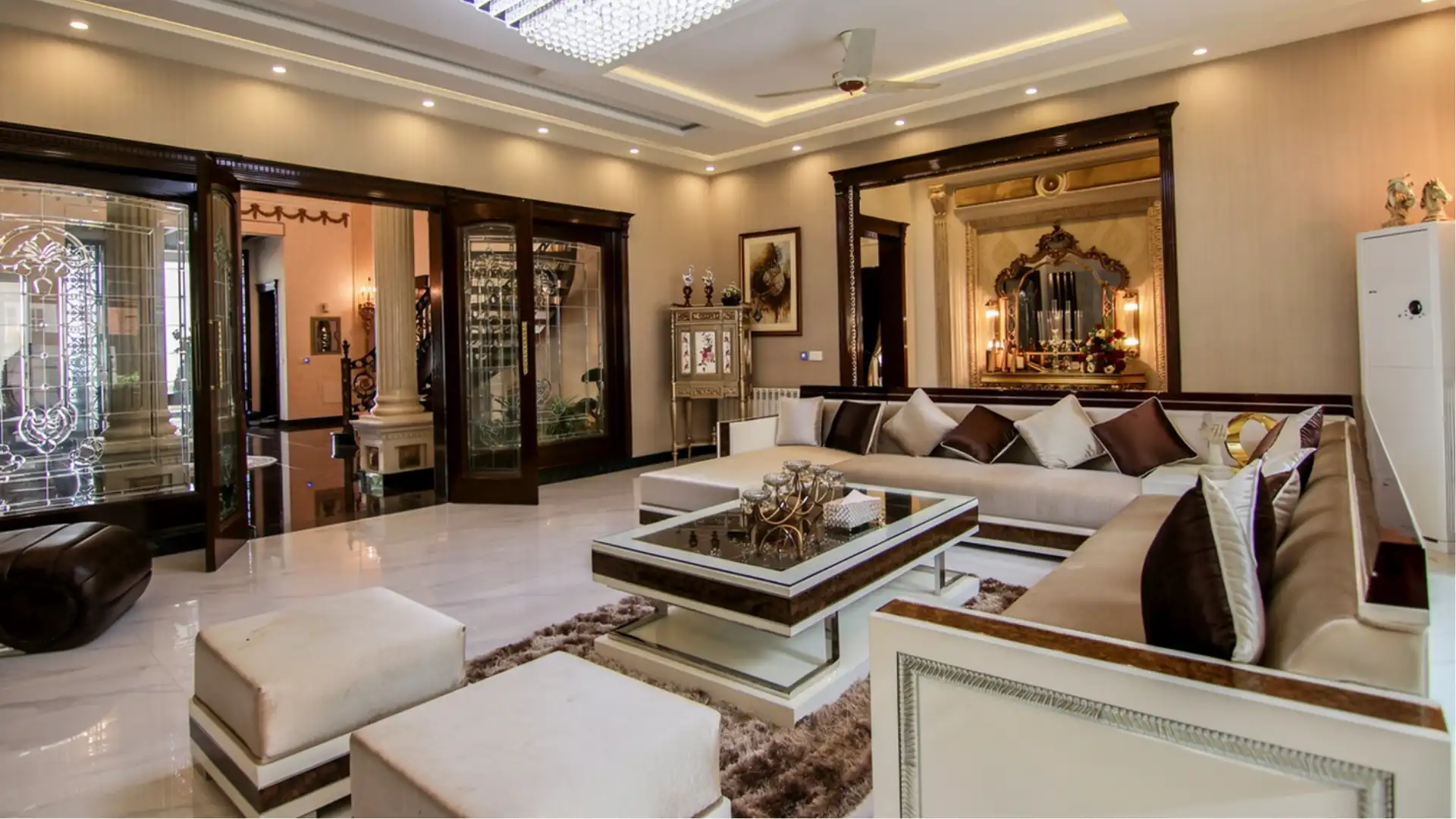
Choosing furniture is not only about style. A sofa, table, cabinet, bed, or chair should make your home easier to use every day. That is why learning the best tips for functional furniture can help you create rooms that look beautiful, feel comfortable, and support your lifestyle.
Functional furniture is practical, durable, comfortable, and space-smart. It gives every piece a clear purpose instead of filling rooms with items that only look good. Whether you live in a small apartment, a family home, or a modern open-plan space, the right furniture can improve storage, movement, comfort, and daily organization.
If you’re planning furniture for an entire property rather than a single room, taking a complete home tour can help you understand how every living space should work together before making major furniture purchases.
What Functional Furniture Really Means
Functional furniture is furniture that serves a real purpose in your home. It is not limited to sofa beds, storage ottomans, or foldable tables. A piece is functional when it fits your room, supports your routine, feels comfortable, and lasts through regular use.
A beautiful dining chair that is painful to sit on is not functional. A large sectional that blocks the walkway is not functional. A coffee table with sharp corners in a home with young children may also create daily problems. The best tips for functional furniture always begin with how the furniture will be used, not only how it looks.
Good functional furniture should:
- Fit the size of the room
- Support everyday habits
- Improve storage or comfort
- Allow easy movement
- Match your home style
- Be easy to clean and maintain
- Last for years without losing shape or purpose
Start With Your Daily Routine
Before buying furniture, study how you use each room. This is one of the best tips for functional furniture because it prevents expensive mistakes. For more practical decorating ideas, buying guides, and room-by-room inspiration, explore our expert home furnishing resources before planning your next upgrade.
Think about what happens in the room every day. Do you watch TV, host guests, work from home, eat meals, store toys, read books, or relax with family? A living room used for entertaining needs different furniture than a living room used mainly for quiet evenings.
For example, a family with children may need stain-resistant sofas, rounded tables, washable rugs, and hidden storage. A busy professional may need a compact desk, organized entryway bench, and easy-clean materials. A person who hosts guests often may need nesting tables, extra seating, and an extendable dining table.
When furniture matches real habits, the room feels natural instead of forced.
Measure Before You Buy Anything
Many homeowners buy furniture that looks perfect online but feels wrong after delivery. Size is one of the biggest reasons. A sofa may be too deep, a dining table may crowd the room, or a bed frame may leave no space for side tables.
Always measure the room, doors, stairs, and walkways before buying. You should also measure the space around the furniture, not just the furniture itself.
| Furniture Area | Recommended Space |
| Main walkways | About 36 inches |
| Sofa to coffee table | 16–18 inches |
| Dining chair clearance | 30–36 inches behind chairs |
| Side table height | Close to sofa arm height |
| Bedside walking space | 24–30 inches if possible |
These measurements help keep the room comfortable and usable. The best tips for functional furniture are not only about buying smart pieces but also placing them correctly.
Choose Furniture That Solves a Problem
Every furniture item should answer a need. Before buying, ask: What problem does this piece solve?
A storage bench can reduce entryway clutter. A lift-top coffee table can support working, eating, and storing remotes. A modular sofa can change shape when guests visit. A bed with drawers can replace a bulky dresser in a small bedroom.
This approach helps you avoid impulse purchases. Instead of buying furniture because it looks attractive, you choose pieces because they improve daily life.
Prioritize Comfort Over Looks Alone
Furniture should look good, but comfort should never be ignored. A stylish sofa that nobody wants to sit on becomes wasted space. Dining chairs that are too hard can make long meals uncomfortable. A beautiful bed frame does not matter if the mattress setup does not support good sleep.
Test seating depth, cushion firmness, back support, arm height, and fabric feel when possible. For online purchases, check dimensions carefully and read material details. One of the best tips for functional furniture is to imagine using the piece for hours, not minutes.
Comfort is especially important for:
- Sofas
- Lounge chairs
- Dining chairs
- Office chairs
- Beds
- Benches used daily
Use Multifunctional Pieces Carefully
Multifunctional furniture is useful, but not every multi-use item is worth buying. A sofa bed is only helpful if it is comfortable as both a sofa and a bed. A storage ottoman is only useful if the storage is easy to access. A foldable table is practical only if the mechanism is strong.
Look for furniture that performs each function well. Avoid pieces that promise too much but feel weak, awkward, or hard to use.
Good multifunctional furniture examples include:
- Storage ottomans
- Extendable dining tables
- Nesting tables
- Sofa beds with quality mattresses
- Lift-top coffee tables
- Beds with drawers
- Entryway benches with shoe storage
- Modular sofas
The best tips for functional furniture include choosing versatility without sacrificing comfort, strength, or style.
Check Build Quality and Materials
Functional furniture should last. Cheap materials may look fine at first but can fail quickly with daily use. Weak frames, thin cushions, loose hardware, and poor joinery reduce both comfort and value.
When checking quality, look at:
- Solid wood or strong metal frames
- Reinforced corners
- Smooth drawer glides
- Strong hinges
- High-density foam cushions
- Durable upholstery
- Stable legs
- Easy-to-clean finishes
For homes with children, pets, or heavy daily use, performance fabric, leather, microfiber, sealed wood, and washable covers can be practical choices.
Plan Storage Into the Furniture
Storage is one of the most important parts of a functional home. Clutter often builds up because everyday items do not have a proper place.
Furniture with storage helps keep rooms organized without adding extra cabinets everywhere. Use vertical storage, hidden compartments, closed cabinets, and built-in shelving to make better use of space.
| Room | Functional Storage Idea |
| Living room | TV unit, sideboard, storage ottoman |
| Bedroom | Bed drawers, wardrobe, bench storage |
| Entryway | Shoe bench, wall hooks, console table |
| Kitchen | Island storage, rolling cart, tall cabinets |
| Home office | Filing cabinet, wall shelves, desk drawers |
| Bathroom | Vanity drawers, wall cabinet, storage stool |
One of the best tips for functional furniture is to combine open and closed storage. Open shelves display decor, while closed storage hides clutter.
Keep Traffic Flow Clear
A functional room should be easy to move through. If you constantly walk around furniture, bump into corners, or squeeze between pieces, the layout is not working.
Keep main pathways clear and avoid placing large furniture in natural walking routes. In living rooms, seating should encourage conversation without blocking access. In bedrooms, make sure drawers, wardrobes, and doors can open freely.
Good traffic flow makes the home feel larger, calmer, and easier to use.
Match Furniture Scale With the Room
Scale means how furniture size relates to the room and other pieces. A large sofa with a tiny coffee table looks unbalanced. A small rug under oversized furniture can make the room feel unfinished. Tall cabinets in a low-ceiling room may feel heavy if not balanced with lighter colors or open space.
Choose furniture that fits the room visually and practically. For small spaces, raised legs, slim arms, glass tops, light colors, and wall-mounted pieces can make the room feel open. For larger rooms, bigger sectionals, wide sideboards, and statement tables can create balance.
Use Lighting With Furniture Planning
Lighting should be planned with furniture, not after everything is placed. A reading chair needs a nearby lamp. A dining table benefits from pendant lighting. A work desk needs task lighting. A sofa area feels better with floor lamps or table lamps instead of only harsh ceiling light.
Layered lighting makes furniture more useful. Use ambient lighting for general brightness, task lighting for activities, and accent lighting for decor or mood.
This is one of the best tips for functional furniture that many homeowners overlook. Even the best furniture can feel flat in poor lighting.
Choose Easy-Clean Materials
Furniture should match your lifestyle. If you have children, pets, guests, or a busy routine, delicate materials may become stressful.
Easy-clean furniture can save time and keep your home looking fresh. Performance fabrics, leather, washable slipcovers, sealed wood, and stain-resistant surfaces are practical choices.
For rugs, low-pile options are easier to vacuum. For dining chairs, wipeable upholstery or removable covers can help. For coffee tables, durable finishes resist scratches and stains better than fragile surfaces.
Design Room by Room
Functional furniture choices should change depending on the room. Each space has a different purpose, so the furniture should support that purpose.
Living Room
The living room usually needs comfort, conversation, storage, and movement. Choose a sofa that fits the room, a coffee table that is easy to reach, and side tables near seating. Add storage through TV units, cabinets, baskets, or ottomans.
The best tips for functional furniture in a living room include choosing enough seating without overcrowding the space.
Bedroom
A bedroom should feel calm and easy to maintain. Choose a supportive bed, nightstands with storage, a dresser that fits the wall, and a bench only if there is enough space.
Beds with drawers are useful in small rooms. Avoid oversized furniture that makes the room feel tight.
Dining Room
A dining room should support meals, guests, and movement around chairs. Choose a table that fits the number of people you usually serve. Extendable tables are excellent if you host sometimes but do not need a large table daily.
Comfortable dining chairs matter because people may sit for long meals.
Kitchen
The kitchen should balance storage, workspace, and movement. Choosing the right kitchen cabinets helps maximize storage, improve workflow, and keep everyday cooking essentials organized without overcrowding the room.
Home Office
A home office needs ergonomic furniture. Choose a desk with enough surface area, a supportive chair, and storage for documents or devices. Wall shelves can save floor space.
Avoid using decorative chairs for long work hours if they do not support posture.
Entryway
The entryway should help you leave and return home easily. A bench, hooks, shoe storage, and a slim console can make a big difference.
This space often becomes messy, so functional furniture should focus on quick organization.
Balance Beauty and Practicality
A functional home does not have to look plain. The goal is to choose furniture that works hard while still matching your style. If you’re planning an entire room makeover, exploring more home design ideas can help you create a balanced space where furniture, colors, lighting, and décor work together naturally.
Use textures, colors, rugs, artwork, curtains, and lighting to create warmth. Choose furniture finishes that connect with the rest of the home. A neutral base with natural wood, metal accents, soft fabrics, and plants can make a room feel calm and polished.
The best tips for functional furniture combine daily usefulness with a design that feels personal.
Avoid Common Furniture Mistakes
Many people make the same furniture mistakes without realizing it. These mistakes can make a home feel crowded, uncomfortable, or hard to maintain.
Common mistakes include:
- Buying furniture before measuring
- Choosing looks over comfort
- Ignoring storage needs
- Blocking walkways
- Buying too many small pieces
- Choosing poor-quality mechanisms
- Forgetting lighting
- Using rugs that are too small
- Ignoring cleaning needs
- Copying showroom layouts that do not fit real life
Avoiding these mistakes can make your furniture choices more successful.
Think Long-Term Before Buying
Trendy furniture can look exciting, but functional furniture should last beyond one season. Before buying, ask whether the piece will still work if your lifestyle changes.
Can the sofa fit another layout? Can the table expand? Can the cabinet be used in another room later? Can the fabric handle years of use?
Long-term thinking is one of the best tips for functional furniture because it saves money and reduces waste.
Pros and Cons of Functional Furniture
| Pros | Cons |
| Saves space | High-quality pieces may cost more |
| Improves organization | Some multifunctional items can be bulky |
| Supports daily routines | Cheap mechanisms may fail |
| Reduces clutter | Requires careful measuring |
| Improves comfort and flow | Not every stylish piece is practical |
| Adds long-term value | Poor choices can still overcrowd rooms |
Functional furniture is worth it when selected carefully. The key is to focus on quality, comfort, proportion, and real use.
Functional Furniture Buying Roadmap
Expert Buying Checklist
Before purchasing any furniture, use this simple checklist:
- Does it fit the room size?
- Does it solve a real problem?
- Is it comfortable for regular use?
- Is the material easy to maintain?
- Does it improve storage or flow?
- Can doors and drawers open easily?
- Is the frame strong?
- Does it match your existing style?
- Will it still be useful in five years?
This checklist keeps your decisions practical and prevents emotional buying.
Conclusion
The best tips for functional furniture are based on real life, not showroom perfection. A functional home should feel comfortable, organized, easy to move through, and simple to maintain. Every piece should earn its place by supporting your daily routine, improving storage, or adding lasting comfort.
Before buying furniture, measure carefully, think about how you live, check quality, and choose pieces that balance beauty with purpose. When furniture works for your lifestyle, your home becomes more than attractive—it becomes practical, peaceful, and genuinely enjoyable.