Roofing Cop Guide: Types, Costs, Benefits & Installation

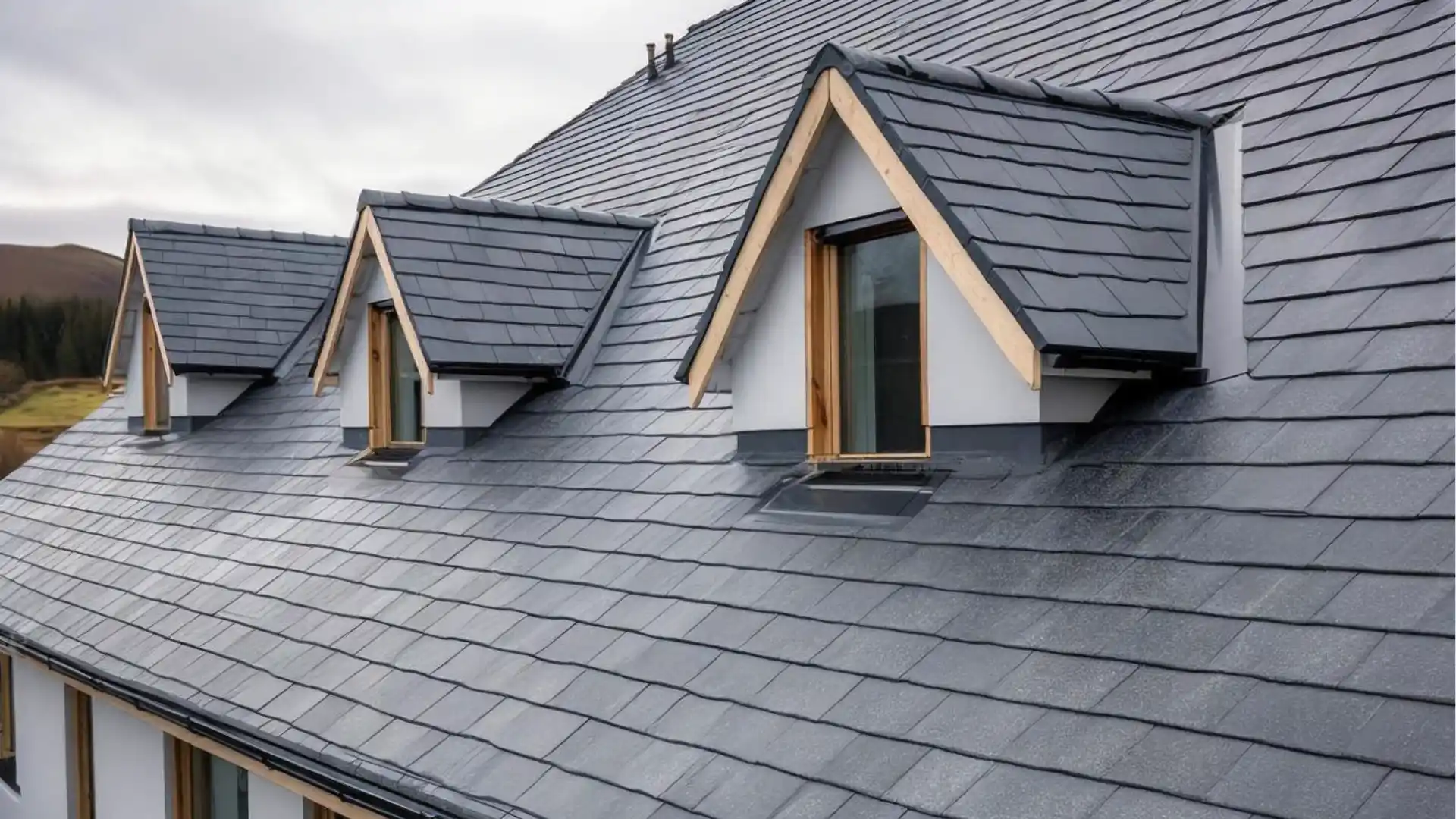
A Roofing Cop is one of the most overlooked parts of a roofing system, yet it plays an important role in protecting a building from water damage. Installed along the tops of parapet walls or exposed roof edges, it creates a protective barrier that keeps rainwater from entering vulnerable areas. Without proper coping, moisture can seep into masonry and roofing materials, eventually leading to costly repairs.
Whether you own a home with a flat roof or manage a commercial building, understanding how a Roofing Cop works can help you make informed maintenance and replacement decisions. Proper roof edge protection is an important part of any home improvement project because it helps extend the life of your roofing system and prevents expensive structural damage. This guide explains its purpose, available materials, installation considerations, maintenance requirements, and the factors that influence long-term performance.
What Is a Roofing Cop?
A Roofing Cop is a protective covering installed on top of parapet walls and exposed roof edges to shield them from rain, wind, sunlight, and temperature changes. It acts as the finishing component of the wall, preventing water from entering the structure while directing runoff away from the building. This simple addition helps preserve both the roof system and the wall beneath it.
Although many people focus on shingles, membranes, or roofing panels, professionals know that roof edges deserve the same level of attention. Water often finds its way into small openings around these areas, making coping an essential part of a weather-resistant roof. A properly designed Roofing Cop also improves the finished appearance of a building by creating clean, defined roof lines.
Why a Roofing Cop Is Important
Roof edges experience constant exposure to changing weather conditions throughout the year. Heavy rain, strong winds, freezing temperatures, and direct sunlight gradually wear down unprotected masonry and roofing materials. A Roofing Cop reduces this exposure by covering the most vulnerable parts of the roof and helping water drain away instead of soaking into the wall.
Beyond preventing leaks, coping also contributes to the overall durability of the building envelope. When moisture repeatedly enters wall tops, it can weaken mortar joints, damage insulation, and shorten the life of roofing materials. Investing in quality coping often prevents expensive structural repairs that may not become visible until significant damage has already occurred.
How a Roofing Cop Protects Your Roof
Every roofing system is designed to move water away from the structure as efficiently as possible. A Roofing Cop supports this process by covering exposed wall surfaces and creating a controlled path for rainwater to flow away from the roof. Many coping systems include drip edges or sloped profiles that prevent water from collecting along the top of parapet walls.
This protection becomes especially valuable during storms or prolonged wet weather. Instead of allowing moisture to seep into small cracks, the coping directs water toward drainage systems where it can safely leave the roof. Over time, this reduces the likelihood of leaks, mold growth, and premature deterioration of surrounding building materials.
Common Materials Used for Roofing Cop
The material you choose affects the durability, maintenance requirements, appearance, and overall cost of a Roofing Cop. Metal remains the most common option because it offers an excellent balance of strength and longevity. Galvanized steel is widely used on commercial properties, while aluminum performs well in coastal areas because it naturally resists corrosion. Copper is often selected for premium projects due to its exceptional lifespan and distinctive appearance.
Other materials are also suitable for specific applications. Concrete coping is frequently installed on masonry buildings because it blends well with brick and concrete walls while providing excellent durability. Natural stone is popular for historic or luxury properties where architectural style is a priority. Modern composite and PVC products have also become common choices, offering lightweight construction, lower maintenance, and good weather resistance at a more affordable price.
Choosing the Right Roofing Cop Material
Selecting the right Roofing Cop depends on more than appearance alone. Local weather conditions, building design, maintenance expectations, and available budget all influence which material will provide the best long-term value. Buildings located near the coast often benefit from aluminum because of its resistance to salt-related corrosion, while steel may be preferred in areas where greater structural strength is required.
Long-term maintenance should also be part of the decision. Some materials require periodic sealing or protective coatings, while others need very little attention once installed. Speaking with an experienced roofing contractor can help identify the material that matches your climate, roof design, and expected service life, ensuring your investment continues to protect the building for many years.
Where Roofing Cop Is Commonly Installed
A Roofing Cop is most commonly found on buildings with parapet walls, where the wall extends above the roofline and remains exposed to the weather. Flat roofs on commercial buildings, apartment complexes, schools, hospitals, and warehouses almost always include coping because these structures rely on strong edge protection to prevent water intrusion. Even smaller residential buildings with modern flat-roof designs often use coping as part of their roofing system.
The installation location depends on the roof’s design and drainage layout. Some buildings require coping around the entire roof perimeter, while others only need it on specific exposed sections. Regardless of the size of the project, properly installed coping creates a continuous protective barrier that helps maintain the integrity of both the roof and the surrounding walls.
Roofing Cop and Overall Roof Performance
Many roofing problems begin around edges instead of the center of the roof. These exposed areas experience greater movement from temperature changes and stronger wind pressure, making them more vulnerable to moisture penetration. A properly installed Roofing Cop helps reinforce these weak points and reduces the likelihood of water reaching the structural components beneath the roof covering.
Its benefits extend beyond leak prevention. By protecting parapet walls and roof edges from repeated weather exposure, coping helps roofing materials last longer and reduces the need for frequent repairs. Over the life of a building, this added protection can contribute to lower maintenance costs and improved long-term performance, making it an important investment rather than an optional finishing detail.
Roofing Cop Compared with Flashing and Drip Edge
Although these roofing components often work together, they perform different functions. A Roofing Cop protects the top of parapet walls and exposed roof edges from weather damage, while flashing seals joints where different roofing materials meet. Drip edges, on the other hand, guide rainwater away from the fascia and into the gutter system.
Understanding the difference helps property owners communicate more effectively with roofing contractors and avoid unnecessary repairs. If one of these components fails, the others cannot fully compensate for the missing protection, which is why a complete roof edge system is essential.
| Feature | Roofing Cop | Flashing | Drip Edge |
|---|---|---|---|
| Primary Purpose | Protects parapet walls and roof edges | Seals roof joints and penetrations | Directs water into gutters |
| Installation Area | Top of parapet walls | Roof intersections, chimneys, vents | Along roof eaves and rakes |
| Main Benefit | Prevents water entering wall tops | Prevents leaks around joints | Protects fascia from water damage |
| Common Materials | Steel, aluminum, copper, concrete | Aluminum, galvanized steel, copper | Aluminum or galvanized steel |
| Typical Buildings | Flat roofs and parapet walls | All roof types | Sloped roofs |
Signs Your Roofing Cop Needs Repair or Replacement
A Roofing Cop should remain firmly secured with smooth joints and no visible damage. If you notice rust, loose sections, cracked sealant, or warped metal, it may no longer provide adequate protection. Water stains near the top of interior walls or damp areas around parapet walls can also indicate that the coping system has begun to fail.
Ignoring these warning signs often allows moisture to spread deeper into the building structure before the problem becomes obvious. Replacing damaged coping at an early stage is usually much less expensive than repairing deteriorated masonry, insulation, or roofing materials after long-term water intrusion.
Roofing Cop Installation Process
Installing a Roofing Cop begins with preparing the parapet wall or roof edge. Contractors inspect the surface for cracks, uneven areas, or loose materials before installing cleats or support brackets. Each coping section is then carefully aligned to ensure a consistent fit while allowing for expansion and contraction caused by changing temperatures.
Once the coping is positioned, all joints are sealed to create a weather-resistant barrier. Experienced installers also verify that the coping has the correct outward slope so rainwater drains away from the wall instead of collecting on top. A final inspection confirms that every section is securely fastened and capable of withstanding wind and weather.
Common Installation Mistakes to Avoid
Even premium materials cannot perform well if installation is rushed or completed incorrectly. One of the most common mistakes is failing to provide enough slope, allowing water to pool on top of the coping instead of draining away. Poorly sealed joints can also become entry points for moisture, especially during heavy rain or snow.
Another issue is choosing fasteners or sealants that are incompatible with the coping material. Over time, this can lead to corrosion, loose sections, or premature failure. Hiring an experienced roofing contractor who follows manufacturer recommendations greatly reduces these risks and helps ensure reliable long-term performance.
Maintaining a Roofing Cop for Long-Term Protection
Routine maintenance is one of the easiest ways to extend the service life of a Roofing Cop. Seasonal inspections allow property owners to identify loose fasteners, deteriorated sealant, or early signs of corrosion before they develop into larger problems. Cleaning away leaves, dirt, and debris also helps water flow freely around roof edges.
Maintenance should also include checking nearby roofing materials for signs of wear that could affect the coping system. If minor issues are repaired promptly, the coping can continue protecting the building for decades without requiring a complete replacement. Preventive care is almost always more affordable than emergency repairs caused by water damage.
Homeowners who enjoy tackling exterior maintenance projects themselves can also learn how to install vinyl fencing to improve both property protection and curb appeal alongside routine roof maintenance.
How Long Does a Roofing Cop Last?
The lifespan of a Roofing Cop depends largely on the material, installation quality, and local climate. Aluminum and galvanized steel coping commonly last between 20 and 40 years, while copper can remain in excellent condition for more than 50 years when properly maintained. Concrete and natural stone may last even longer if cracks and joints are inspected regularly.
Extreme weather conditions, poor installation, and neglected maintenance can shorten the expected lifespan regardless of the material used. Scheduling periodic roof inspections allows small issues to be corrected before they affect the overall roofing system, helping the coping reach its full service life.
Roofing Cop Material Comparison
Choosing the right material requires balancing durability, maintenance needs, appearance, and budget. The following comparison provides a general overview of the most common options used in residential and commercial roofing projects.
| Material | Average Lifespan | Maintenance | Cost | Best Application |
|---|---|---|---|---|
| Galvanized Steel | 25–40 Years | Moderate | $$ | Commercial buildings |
| Aluminum | 25–40 Years | Low | $$ | Coastal and humid climates |
| Copper | 50+ Years | Very Low | $$$$ | Premium architectural projects |
| Concrete | 30–50 Years | Moderate | $$$ | Masonry buildings |
| Natural Stone | 50+ Years | Low to Moderate | $$$$ | Historic and luxury properties |
| PVC | 20–30 Years | Low | $ | Modern flat roofs |
| Composite | 20–35 Years | Low | $$ | Residential and commercial buildings |
What Does a Roofing Cop Cost?
The total cost of installing a Roofing Cop varies according to material choice, roof size, labor rates, and project complexity. Premium materials such as copper or natural stone generally require a larger investment, while aluminum and galvanized steel provide a good balance between durability and affordability. Labor costs may also increase for buildings with difficult roof access or custom coping profiles.
For most residential projects, homeowners can expect the total installation cost to range from approximately $1,500 to $7,000, while commercial buildings are often priced by the linear foot because of their larger roof perimeters. Obtaining quotes from multiple qualified roofing contractors is the best way to compare pricing and ensure the proposed system meets both performance and budget expectations.
Is a Roofing Cop Required on Every Roof?
A Roofing Cop is not required for every type of roof, but it is considered an essential component on buildings with parapet walls or exposed roof edges. Flat roofs commonly rely on coping systems because these areas are more susceptible to water intrusion than sloped roofs with overhanging eaves. Local building codes and the roof’s design often determine whether coping is necessary for a particular project.
If you are constructing a new building or replacing an existing roof, a roofing contractor can determine whether coping is needed to meet local regulations and manufacturer recommendations. Installing the correct edge protection from the beginning is usually more cost-effective than repairing water damage caused by inadequate protection later.
Can You Repair a Roofing Cop Instead of Replacing It?
Minor problems such as loose fasteners, small gaps in sealant, or isolated corrosion can often be repaired without replacing the entire Roofing Cop. Addressing these issues early helps restore the waterproof barrier and prevents moisture from reaching the roof structure. Professional repairs also ensure that the coping continues to perform as intended during severe weather.
Replacement becomes the better option when the coping has extensive rust, large cracks, severe warping, or repeated leak issues. Older systems that have reached the end of their service life may no longer provide dependable protection, making a complete replacement the most practical long-term solution.
How to Choose the Right Roofing Contractor
The quality of installation is just as important as the quality of the materials. An experienced roofing contractor should have proven experience with parapet walls, commercial flat roofs, and coping systems. Asking about previous projects, warranty coverage, and the materials they recommend can help you make a more confident decision.
It is also worth requesting a written estimate that clearly explains the scope of work, materials, labor, and expected completion time. A reputable contractor will inspect the roof thoroughly before recommending repairs or replacement and will explain why a particular Roofing Cop system is the best fit for your building.
Conclusion
A Roofing Cop may seem like a small part of a roofing system, but it performs a critical role in protecting roof edges and parapet walls from moisture damage. By directing water away from vulnerable areas, it helps reduce leaks, preserves structural materials, and contributes to the overall durability of the building. Choosing the right material and ensuring professional installation can significantly improve the long-term performance of both residential and commercial roofs.
Regular inspections and timely maintenance are equally important for keeping a Roofing Cop in good condition. Whether you are planning a new construction project or replacing an aging roof, investing in a high-quality coping system provides lasting protection and can help reduce repair costs over the life of the building. Understanding how coping works allows property owners to make informed decisions that support a safer, more reliable, and longer-lasting roofing system.
For more expert advice on roofing, remodeling, maintenance, landscaping, and home renovation projects, visit Homebillion to explore a wide range of practical home improvement resources