How to Be Better at Interior Design MintPalDecor

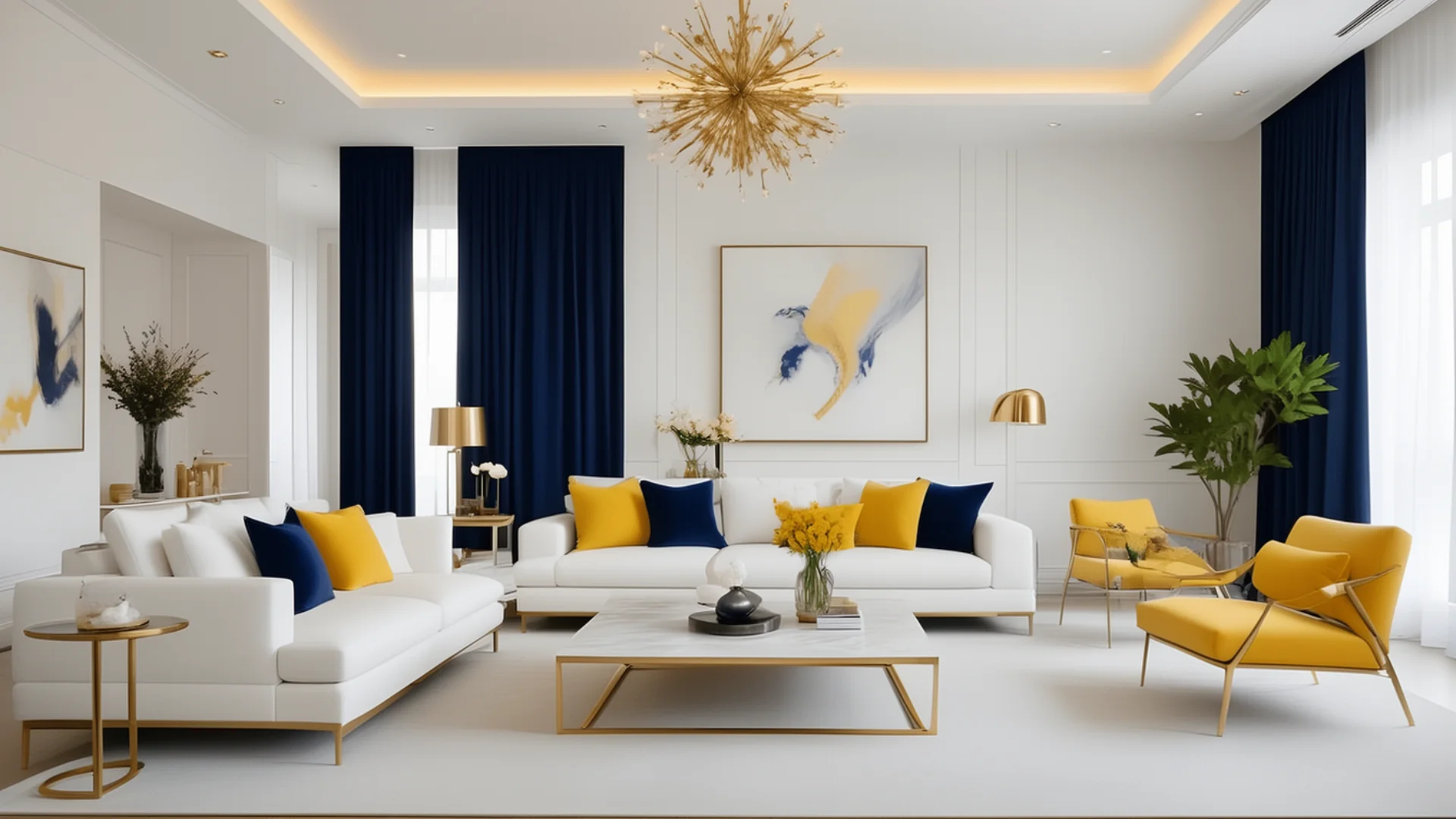
A beautiful home is not created by buying expensive furniture or copying ideas from social media. Good interior design comes from understanding how a space should function, how different elements work together, and how each room supports your daily routine. Whether you live in a small apartment or a spacious family home, thoughtful design decisions can make your living environment more comfortable, practical, and visually appealing.
Exploring practical home improvement ideas can also help you create a home that balances comfort, functionality, and timeless style.
If you are searching for How to Be Better at Interior Design MintPalDecor, the goal should be to build lasting design skills instead of simply following trends. Learning how to plan a room, choose suitable materials, balance colors, and arrange furniture allows you to create spaces that remain attractive and functional for years. This guide explains the principles professionals rely on while offering practical advice that homeowners can confidently apply.
Why Interior Design Matters More Than Decoration
Many people think interior design and decorating are the same, but they serve different purposes. Decorating focuses on accessories, artwork, and finishes, while interior design considers how a room functions before any decorative pieces are added. A well-designed home improves movement, maximizes storage, supports natural light, and creates an environment that suits the people living in it.
Understanding this difference is one of the first steps in How to Be Better at Interior Design MintPalDecor. Before choosing paint colors or buying new furniture, consider how the room will be used every day. A dining room should encourage comfortable gatherings, a bedroom should promote relaxation, and a home office should help you stay productive. When function comes first, decorating becomes much easier and more effective.
Learn the Fundamental Principles of Good Design
Every attractive room follows a set of design principles, whether the homeowner realizes it or not. Balance, proportion, scale, rhythm, contrast, harmony, and emphasis all influence how a space feels. These concepts are not complicated rules but practical guidelines that help create rooms that look organized and comfortable instead of crowded or unfinished.
Developing these fundamentals will improve your confidence whenever you redesign a room or purchase new furniture. Rather than relying on guesswork, you’ll understand why certain layouts feel inviting and why others seem awkward. Designers often spend more time planning these relationships than selecting decorative accessories because a strong foundation leads to better long-term results.
Start Every Project with a Space Plan
One of the biggest mistakes homeowners make is purchasing furniture before understanding the available space. Measuring your room first prevents expensive buying mistakes and ensures every piece fits comfortably without blocking walkways or making the area feel cramped. A simple floor plan also helps determine the best location for seating, storage, lighting, and decorative features.
Anyone learning How to Be Better at Interior Design MintPalDecor should make space planning a habit before beginning any project. Think about how people move through the room, where natural light enters, and which areas need to remain open. Even a small adjustment in furniture placement can improve comfort and create a more balanced appearance without increasing your budget.
Space Planning Reference
| Design Element | Recommended Approach | Why It Matters |
|---|---|---|
| Furniture Layout | Leave comfortable walking paths | Improves movement and accessibility |
| Seating Arrangement | Position seats to encourage conversation | Makes rooms feel welcoming |
| Storage | Include hidden and open storage | Keeps clutter under control |
| Rug Placement | Front legs of furniture should rest on the rug | Creates visual unity |
| Lighting | Combine natural and artificial lighting | Improves comfort throughout the day |
| Empty Space | Avoid filling every corner | Gives the room a clean and balanced appearance |
Build a Balanced Color Palette
Color influences both the appearance of a room and the atmosphere people experience while spending time there. Warm shades such as terracotta, beige, and soft cream create inviting environments, while cooler tones like sage green, muted blue, and gentle gray encourage relaxation. Choosing colors based on the purpose of each room usually produces better results than selecting shades simply because they are currently fashionable.
Professional designers often rely on the classic 60-30-10 color principle because it creates harmony without making a room feel busy. Around sixty percent of the room uses the dominant color, thirty percent introduces a supporting shade, and the remaining ten percent provides contrast through accent pieces. Following this approach makes it easier to refresh your interior over time without completely redesigning the space.
Choose Furniture That Fits the Room
Furniture should always complement the dimensions of the room rather than compete with them. Oversized pieces can overwhelm compact spaces, while furniture that is too small may leave larger rooms feeling incomplete. Measuring carefully before making a purchase ensures that each item contributes to both comfort and visual balance.
As you improve your understanding of How to Be Better at Interior Design MintPalDecor, pay close attention to proportions instead of focusing only on style. A beautifully designed sofa will still look out of place if it dominates the room, just as an elegant coffee table may lose its impact if it appears too small beside larger seating. Well-proportioned furniture creates a natural flow that makes every space more inviting.
Use Lighting to Shape the Atmosphere
Lighting has the power to completely transform how an interior looks and feels. Natural daylight highlights colors accurately and makes rooms appear larger, while carefully selected artificial lighting creates warmth during evenings. Depending on a single ceiling fixture often leaves dark corners and flat-looking interiors that lack depth.
A layered lighting plan combines ambient, task, and accent lighting to suit different activities throughout the day. Ceiling fixtures provide general illumination, reading lamps improve functionality, and accent lighting highlights architectural details or artwork. When these layers work together, the room feels more comfortable, practical, and visually interesting without requiring expensive renovations.
Add Texture for a Richer Interior
Texture gives a room personality by introducing contrast through different materials and finishes. Soft fabrics, natural wood, stone, woven baskets, glass, and metal each contribute unique visual qualities that make interiors feel more complete. Even when using a simple color palette, texture prevents a room from appearing flat or lifeless.
Instead of purchasing numerous decorative items, combine a few high-quality materials that complement one another. Linen curtains, a wool rug, wooden furniture, ceramic accessories, and natural greenery create warmth while maintaining a timeless appearance. Thoughtful layering of textures is one of the easiest ways to elevate an interior without significantly increasing your decorating budget.
Create a Clear Focal Point in Every Room
Every well-designed room has a feature that naturally draws attention when someone enters the space. This focal point could be a fireplace, a large window with an attractive view, a statement light fixture, a built-in bookshelf, or a carefully selected piece of artwork. Once the focal point is established, the remaining furniture and décor should support it instead of competing for attention.
When learning How to Be Better at Interior Design MintPalDecor, avoid placing too many bold elements in one room. If every wall has bright artwork or every piece of furniture demands attention, the space can quickly feel overwhelming. A single focal point creates visual order and helps the room feel calm, balanced, and intentionally designed.
Declutter Before You Decorate
No amount of expensive furniture or stylish accessories can improve a room that feels crowded with unnecessary belongings. Clutter hides the best features of a space, interrupts movement, and makes even large rooms appear smaller than they are. Before introducing new décor, remove items that no longer serve a practical purpose or contribute to the overall design.
A clean and organized room also makes it easier to appreciate quality furniture, artwork, and decorative finishes. Leave enough empty space between furnishings to allow the room to breathe. This simple habit improves both the appearance and functionality of a home while making future decorating decisions much easier.
Choose Materials That Last
Experienced designers think beyond appearance when selecting materials for a home. Flooring, countertops, upholstery, and wall finishes should suit the way the space will be used every day. Homes with children or pets often benefit from durable, easy-to-clean materials that continue looking attractive even after years of regular use.
Natural materials such as wood, stone, cotton, linen, and wool remain popular because they combine durability with timeless style. Investing in quality finishes often reduces long-term maintenance costs and prevents frequent replacements. Choosing practical materials is just as important as selecting attractive colors or furniture.
Make Small Rooms Feel Larger
Limited floor space does not have to limit good design. Small rooms become more comfortable when every piece of furniture has a clear purpose and unnecessary items are removed. Choosing furniture with visible legs, allowing natural light to enter freely, and using light wall colors can make compact spaces feel brighter and more open.
Mirrors are another practical design tool because they reflect both light and views, creating the impression of additional space. Storage solutions that keep everyday items organized also reduce visual clutter, allowing even smaller homes to feel more spacious and welcoming without requiring structural changes.
Follow Trends Carefully Instead of Chasing Them
Interior design trends change every year, but not every popular style will suit every home. While curved furniture, earthy colors, textured walls, and natural materials continue to gain popularity, lasting design usually comes from combining timeless elements with a few carefully selected modern updates. This approach prevents a home from looking outdated after only a short time.
People interested in How to Be Better at Interior Design MintPalDecor should use trends as inspiration rather than strict rules. Select ideas that match your home’s architecture, your lifestyle, and your budget. A thoughtfully designed room should continue feeling comfortable and attractive long after current decorating trends have changed.
Understand How Interior Design Influences Daily Living
A thoughtfully designed home affects more than its appearance. Lighting, furniture placement, storage, and color choices all influence how comfortable and productive people feel throughout the day. Rooms that receive sufficient natural light often feel more welcoming, while organized spaces reduce everyday stress and make household routines easier to manage.
Bedrooms benefit from calming colors and soft lighting that encourage relaxation, while kitchens and workspaces require brighter illumination and practical layouts. When every room supports its intended purpose, the entire home becomes easier to enjoy and maintain. Good interior design is ultimately about improving everyday living rather than creating spaces that simply look attractive.
Learn to Develop Your Own Design Style
One of the biggest milestones in becoming a better designer is discovering your own style instead of copying someone else’s. Looking through magazines, visiting showrooms, and studying professionally designed homes can provide inspiration, but every home should reflect the people who live there rather than current internet trends. Personal preferences create interiors that feel authentic and comfortable.
Building a design style takes time and observation. Notice which colors, materials, furniture shapes, and architectural details consistently appeal to you. Saving inspiration images and comparing them often reveals recurring themes that can guide future decorating decisions while helping you avoid costly impulse purchases.
Compare Popular Interior Design Approaches
Different design styles offer unique advantages depending on the type of home and the lifestyle of its occupants. Understanding these differences helps homeowners choose ideas that suit their space instead of following trends that may not be practical.
| Design Style | Main Characteristics | Best For |
|---|---|---|
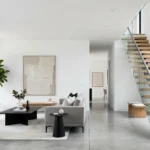
| Modern | Clean lines, simple forms, minimal decoration | Contemporary homes |
| Scandinavian | Light colors, natural materials, practical furniture | Small and bright interiors |
| Traditional | Rich wood finishes, classic furniture, elegant details | Formal family homes |
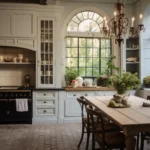
| Farmhouse | Rustic textures, warm colors, comfortable furnishings | Cozy living spaces |
| Industrial | Metal, exposed brick, concrete, open layouts | Lofts and urban homes |
| Transitional | Mix of classic and modern elements | Homes seeking timeless appeal |
Improve Your Skills Through Practical Experience
Reading about design principles provides valuable knowledge, but real improvement comes from applying those ideas in your own home. Rearranging furniture, testing different lighting arrangements, experimenting with color combinations, and updating a single room teaches lessons that cannot be learned from photographs alone. Small projects allow you to build confidence while understanding how individual design decisions affect the overall space.
As your experience grows, you will begin noticing details that previously went unnoticed, such as proper furniture spacing, balanced proportions, and the relationship between natural light and color. This gradual learning process is one of the most rewarding parts of How to Be Better at Interior Design MintPalDecor, helping you create interiors that are not only beautiful but also comfortable, practical, and suited to everyday life.
Common Interior Design Mistakes to Avoid
Even the most attractive furniture and décor cannot compensate for poor planning. One of the most common mistakes is buying furniture before measuring the room, which often results in cramped layouts or pieces that are too large for the available space. Another frequent error is relying on a single ceiling light instead of using multiple lighting sources that add depth and improve functionality throughout the day.
As you continue learning How to Be Better at Interior Design MintPalDecor, avoid filling every corner with decorations simply because there is empty space. A thoughtfully designed room includes areas that allow the eye to rest, making the overall design feel cleaner and more sophisticated. Careful planning almost always produces better results than adding more decorative items.
Budget-Friendly Ways to Improve Your Home
Creating a stylish interior does not always require a major renovation or a large budget. Rearranging furniture, replacing outdated lighting fixtures, painting walls, adding indoor plants, or updating textiles such as curtains and cushions can completely refresh the appearance of a room. These simple improvements often deliver a noticeable difference while keeping costs manageable.
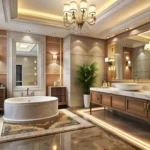
Before spending money on new furniture, evaluate what you already own. Refinishing wooden furniture, changing cabinet hardware, or adding a well-sized area rug can modernize an interior without replacing everything. Smart improvements focus on quality and functionality rather than buying more decorative accessories. If you’re planning larger renovations, bathroom remodeling is one of the most effective projects for improving both daily comfort and long-term property value.
Expert Tips for Long-Lasting Interior Design
Professional designers rarely begin with furniture shopping. Instead, they spend time understanding how the room will be used, identifying practical challenges, and selecting materials that can withstand everyday use. This planning process helps avoid costly mistakes and creates interiors that remain functional as family needs change over time.
If you truly want to master How to Be Better at Interior Design MintPalDecor, focus on creating timeless spaces instead of constantly redesigning your home to match every new trend. Choosing durable materials, maintaining visual balance, and investing in quality pieces will keep your home attractive and practical for many years while reducing unnecessary expenses.
Conclusion
Learning How to Be Better at Interior Design MintPalDecor is about developing practical skills that improve both the appearance and functionality of your home. Instead of focusing only on decoration, successful interior design begins with understanding how people use a space, planning efficient layouts, selecting durable materials, balancing color and lighting, and choosing furniture that fits the room. These fundamentals create interiors that remain comfortable, attractive, and practical long after decorating trends have changed.
The most successful homes are not necessarily the most expensive—they are the ones designed with purpose. By applying thoughtful planning, making informed design decisions, and continually learning from each project, you can confidently transform any room into a welcoming space that reflects your personality and supports your everyday lifestyle. Whether you are updating a single room or renovating your entire home, following these principles will help you create interiors that offer lasting beauty, comfort, and value.
For more expert home design inspiration, decorating ideas, and practical room-by-room guides, explore our complete collection of interior and exterior design resources.